10 Essential Skills Every Child Should Learn in 2026
As we sail through the year 2026, the horizon of what skills children need to thrive has broadened significantly. With technology developing at a breakneck pace and societal shifts influencing every corner of the globe, the toolkit for young learners today is quite different from even a decade ago. Parents, educators, and communities are focusing on equipping children with the skills they need for a bright future. Here’s a look at ten essential skills that every child should be learning this year.
1. Digital Literacy
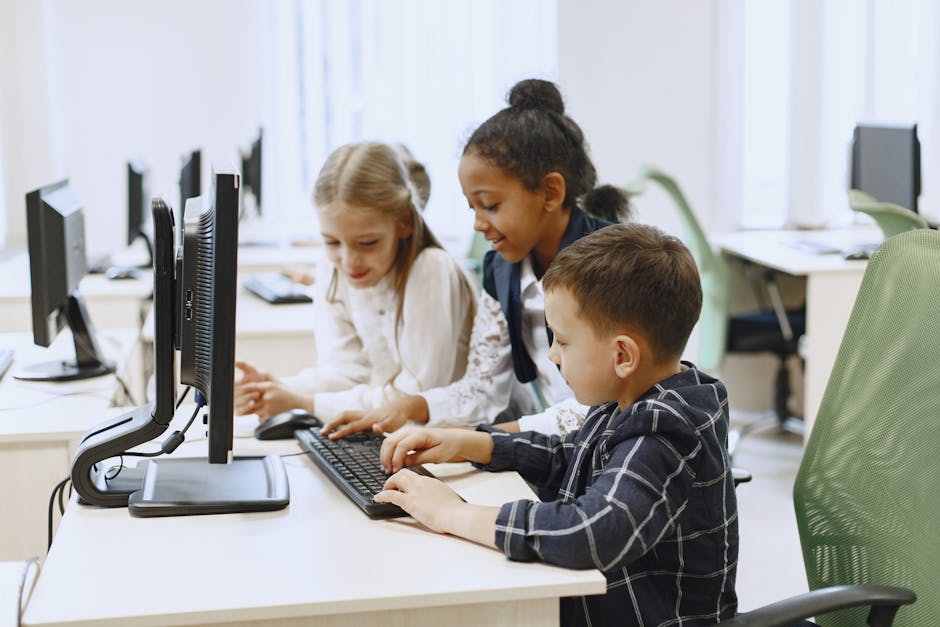
We’re living in an era where digital literacy is as fundamental as learning to read and write. Understanding how to navigate digital platforms, discern credible sources of information, and protect one’s privacy online is crucial. Schools across the United States, from New York to San Francisco, are integrating digital literacy into their curricula, teaching children not just how to use technology, but also how to use it responsibly.
2. Emotional Intelligence
Emotional intelligence, or EQ, is the ability to understand and manage one’s own emotions, as well as empathize with others. In 2026, EQ is being emphasized more than ever before. Programs in schools like Riverdale Country School in the Bronx are offering courses that help students navigate their emotions and develop empathy, promoting better interpersonal relationships and mental health.
3. Critical Thinking and Problem Solving
The ability to analyze situations, ask the right questions, and come up with solutions is invaluable. Whether a child is tackling a math problem or a social issue, critical thinking is key. Many educational systems, including those in Finland and Singapore, are prioritizing problem-based learning, where students engage in real-world challenges to enhance their critical thinking skills.
4. Creativity and Innovation
Creativity is a driving force behind innovation, and it’s a skill that can be nurtured from a young age. Encouraging children to think outside the box and explore their imagination is crucial. Schools and parents are setting aside time for creative projects and play, enabling children to express themselves and develop innovative solutions to problems.
5. Communication Skills
Clear and effective communication is essential in virtually every aspect of life. From writing persuasive essays to presenting ideas in a classroom setting, children must be able to express themselves clearly. Programs focusing on public speaking and storytelling, such as those offered by the National Speech & Debate Association, are becoming increasingly popular in schools and extracurricular activities.
6. Cultural Awareness and Inclusion
As our world becomes more interconnected, understanding and appreciating different cultures is more critical than ever. Schools are now incorporating multicultural education into their curricula. For example, the International School of Bangkok has introduced inclusive programs that celebrate diverse cultures, helping students understand global perspectives and fostering an inclusive environment.
7. Financial Literacy
Financial literacy is a skill that lays the foundation for a secure future. Teaching children how to manage money, budget, and understand the basics of economics is crucial. Financial literacy programs, like those implemented by Junior Achievement, offer workshops and simulations to help students grasp the concept of money management early on.
8. Adaptability and Resilience
In an ever-changing world, the ability to adapt and bounce back from setbacks is paramount. Children need to learn how to embrace change and face challenges head-on. Schools are incorporating resilience training into their curricula, teaching students how to cope with stress and adapt to new situations effectively.
9. Leadership Skills
Leadership is not just about taking charge; it’s about inspiring others and leading by example. Schools across the globe are offering leadership workshops and activities that help children develop their leadership potential. Programs like the Duke of Edinburgh’s Award encourage personal growth and leadership through a variety of challenges and community service activities.
10. Environmental Awareness
With climate change being a pressing issue, understanding environmental science and sustainability is more important than ever. Educators are teaching children about the impact of human activities on the environment and ways to live sustainably. Initiatives like the Green Schools Alliance are providing resources for schools to incorporate environmental education into everyday learning.
Equipping children with these skills won’t just prepare them for academic success; it will arm them with the tools needed to navigate the complexities of life. Encouraging these skills at home and in schools will foster a generation of well-rounded, capable, and compassionate individuals ready to tackle future challenges.
Practical Takeaway: As parents and educators, fostering an environment that nurtures these skills is key. Encourage curiosity, provide opportunities for experiential learning, and support children as they explore and develop these essential abilities. The future is bright when we prepare our children well.