The Joy of Journaling: Encouraging Children to Chronicle Their World in 2026
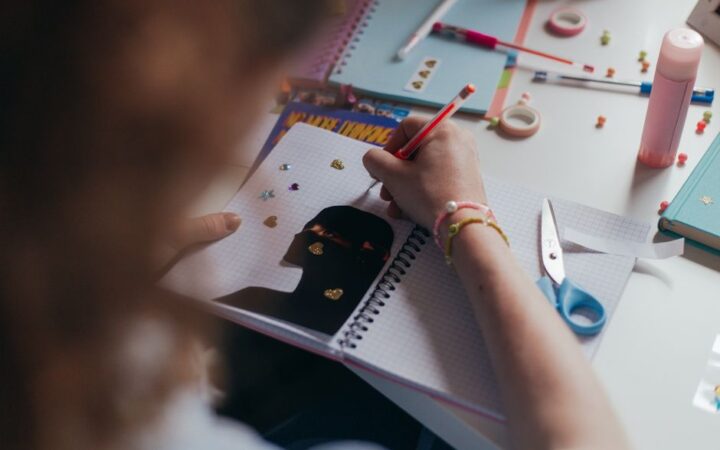
Journaling in 2026 offers children a powerful tool for creativity and emotional growth. Discover how to choose the right journal and make writing a daily habit.
Journaling in 2026 offers children a powerful tool for creativity and emotional growth. Discover how to choose the right journal and make writing a daily habit.
Unleash your child’s creativity in 2026 by introducing them to digital art, a dynamic tool for development that enhances fine motor skills, problem-solving, and adaptability.
Discover how to raise resilient kids by cultivating grit and a growth mindset in 2026, helping them navigate life’s challenges with confidence and perseverance.
Discover how to raise healthy eaters in 2026 with insights into modern nutrition trends, decoding food labels, and fostering a positive relationship with food.
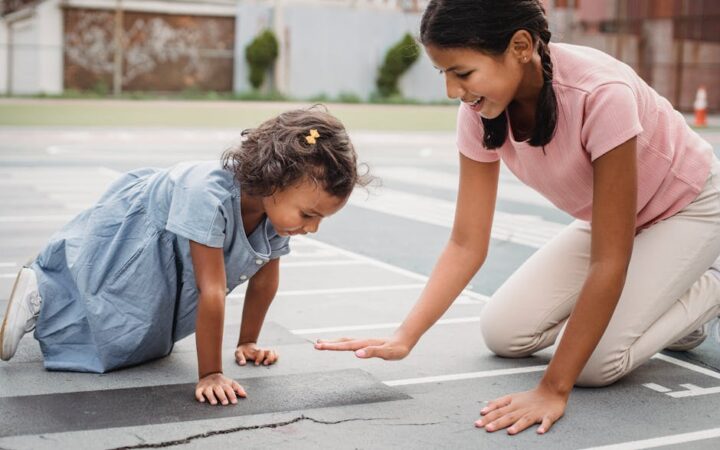
In 2026, playgrounds are making a vibrant comeback, serving as essential hubs for creativity and social interaction while encouraging parental involvement.
Explore ways to nurture critical thinking in kids in 2026 by fostering curiosity, engaging in meaningful conversations, and encouraging diverse reading habits.
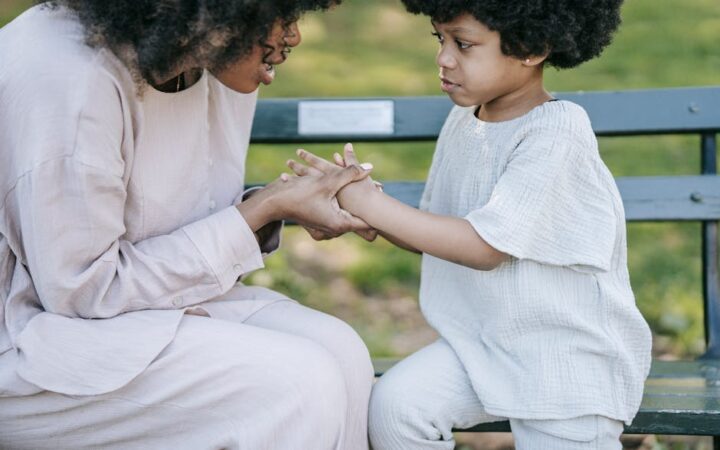
Exploring the critical role of empathy in child development and its increasing importance in our interconnected and technologically driven world.
Outdoor education is transforming learning by encouraging physical activity, enhancing academic performance, and fostering a connection with nature. Its popularity is growing as parents and educators recognize its many benefits.
Choosing the right school involves understanding your child’s needs, evaluating school options, and aligning them with your family’s priorities.
Building resilience in children is crucial in 2026, as it equips them to thrive amidst life’s challenges. Parents and educators play key roles in nurturing this essential trait through empathy, problem-solving, and supportive connections.