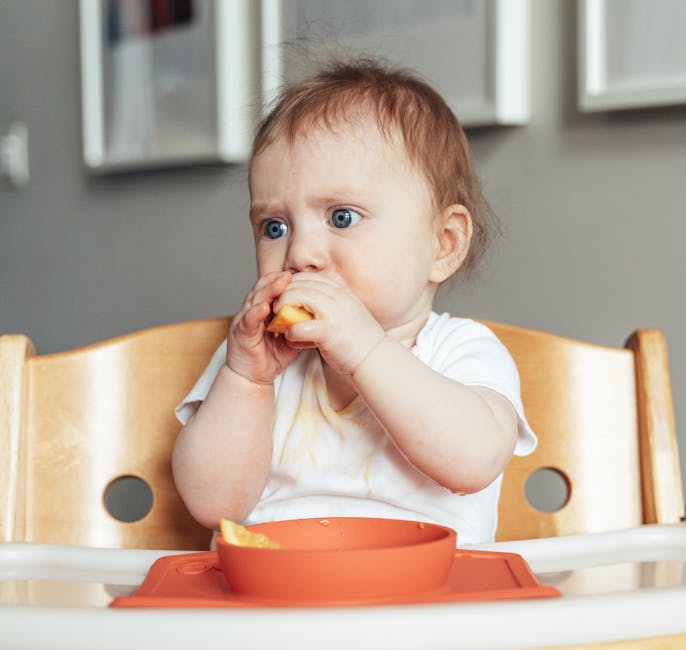
Moving your little one from a milk-only diet to solid foods is a milestone that’s both thrilling and daunting. As you embark on this new journey, there’s an abundance of advice and opinions surrounding how best to introduce solids. But what about the common pitfalls? Here, we’ll walk through seven frequent mistakes to avoid, ensuring a smooth transition for you and a delightful culinary adventure for your child.
1. Starting Too Early
It’s tempting to begin solids as soon as your baby shows an interest in what’s on your plate. However, pediatricians, including those at the Mayo Clinic, generally recommend waiting until your baby is around six months old. Introducing solids too early can lead to digestive issues and may increase the risk of obesity later in life. Babies need to develop the ability to sit upright and lose the tongue-thrust reflex, which can push solid food out of their mouths. Patience is key; waiting until your baby is truly ready will make for a more positive and successful experience.
2. Offering Only Processed Foods
With the convenience of pre-packaged baby foods available at supermarkets like Whole Foods and Target, it’s tempting to rely on these products. However, homemade purees and mashed fresh fruits and vegetables expose your baby to a variety of flavors and textures that prepared foods may not. Studies suggest that children introduced to a wide range of foods early on are less likely to become picky eaters. So, include mashed avocados from Mexico or sweet potatoes from your local farmer’s market in your baby’s menu.
3. Ignoring Signs of Food Allergies
Food allergies can be daunting, but early detection is crucial. When introducing new foods, especially common allergens like peanuts, eggs, or dairy, observe your baby for any reactions such as rashes, vomiting, or swelling. The American Academy of Pediatrics recommends introducing these foods one at a time and in small quantities. This approach makes it easier to identify which food might be causing an issue if an allergic reaction occurs.
4. Providing Inadequate Iron Sources
Infants are born with a store of iron that begins to deplete around six months of age, making it important to provide iron-rich foods. Incorporating options like iron-fortified cereals, pureed meats, or lentils is crucial. It’s a common oversight to assume that breast milk or formula will continue to meet all nutritional needs, but as your baby grows, so does their need for iron and other nutrients. Consult resources from the Centers for Disease Control and Prevention for more guidance on iron-rich foods suitable for infants.
5. Overlooking Texture Progression
Sticking to purees for too long can delay your baby’s ability to handle more complex textures, an essential skill for safe eating and speech development. Gradually introducing lumpier textures helps babies learn to chew and swallow more effectively. Pediatric experts at the Children’s Hospital of Philadelphia suggest increasing the texture of food by nine months to promote oral motor skills. So, as your baby becomes more comfortable, start mashing foods less finely and introduce small pieces of soft foods like ripe bananas or cooked carrots.
6. Offering Sugary Drinks
It might seem harmless to give your baby a bit of fruit juice, but sugary drinks can lead to tooth decay and may contribute to a preference for sweet flavors. The American Dental Association advises against juice for infants under 12 months, recommending water or milk instead. Building a preference for water early on encourages healthier beverage choices in the future. Save the juice for a special treat when they’re older and can better handle the sugar content.
7. Not Involving Your Baby in Mealtime
Mealtime is a fantastic opportunity for bonding and learning. Babies are naturally curious and love to mimic their parents. By involving them in family meals, you help them understand eating routines and social cues. Set them up in a high chair at the family table, and let them watch and perhaps even participate in the mealtime chatter. This involvement not only makes the experience enjoyable but also helps develop their social skills and eating habits.
Transitioning to solid foods is an exciting journey filled with discovery for both you and your child. By avoiding these common mistakes, you can help your little one develop healthy eating habits that last a lifetime. Start when they’re ready, experiment with different foods, and most importantly, enjoy this new chapter together!