9 Ways to Foster Creativity in Kids
In 2026, creativity in children isn’t just something to admire—it’s an essential skill to nurture. Encouraging a child’s imagination can lead to enhanced problem-solving abilities, better emotional expression, and even improved academic performance. Let’s explore some practical ways to foster creativity in our young ones.
1. Encourage Open-Ended Play
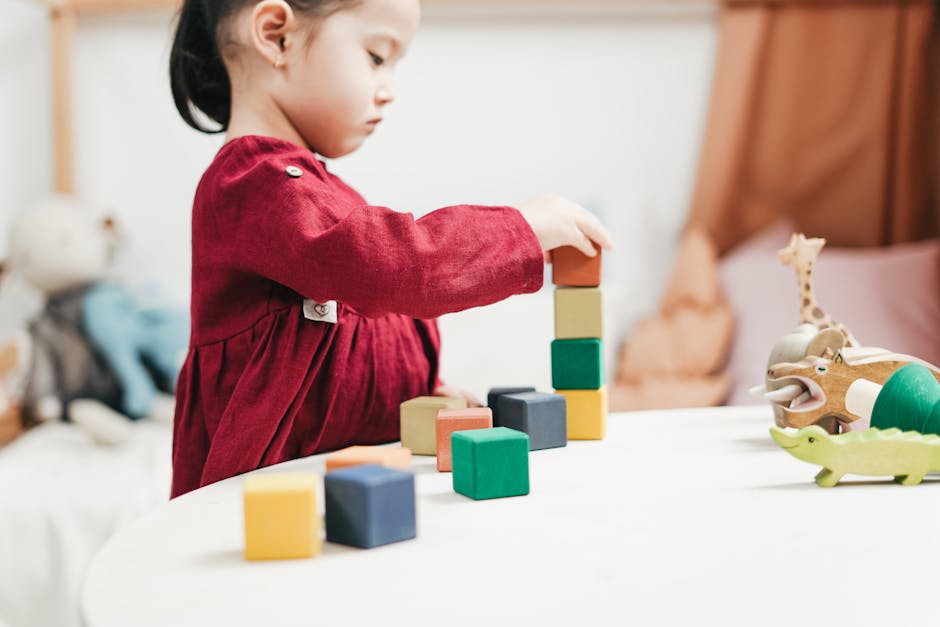
Open-ended play allows children to explore without a set outcome. Think of a sandbox at Balboa Park in San Diego or a DIY art station in the living room. When kids create their own rules and stories, they’re not just having fun; they’re developing critical thinking skills. Give them blocks, dolls, or a blank canvas, and watch what unfolds. These moments are when a child’s mind truly flies.
2. Introduce Diverse Art Forms
Art isn’t confined to painting and drawing. It’s theater, music, dance, sculpture, and even digital art. Take a trip to the Metropolitan Museum of Art in New York City, where art from different cultures and eras can inspire young minds. Or enroll them in a local theater class, where they can bring stories to life on stage. Diversity in art exposure can spark countless possibilities in a child’s creative mind.
3. Set Up a Creative Space
Every budding artist or inventor needs a space to call their own. This doesn’t mean you need a full-sized studio. A simple corner with a small desk, art supplies, and a bulletin board for pinning ideas is enough. Let them personalize it with their artworks or projects. A dedicated space invites children to immerse themselves fully in creative projects.
4. Encourage Questioning
“Why is the sky blue?”, “How do birds fly?”—these questions are gateways to creativity. Encourage your child to ask questions and help them seek answers. Use resources like the local library or virtual reality experiences to explore topics of interest. In doing so, you’re teaching them that curiosity is a lifelong journey and that there’s always more to learn.
5. Limit Screen Time
While technology offers tremendous opportunities, balance is key. Encourage time away from screens to engage in activities like building a fort, gardening, or simple storytelling. This kind of play encourages children to use their imagination, fostering growth in a way that screen time often cannot.
6. Share Stories and Read Aloud
Reading to your child or sharing stories is a classic yet powerful method to stimulate creativity. Books from authors like Roald Dahl or J.K. Rowling have sparked the imagination of millions. Create a bedtime routine where stories come to life, and encourage your child to weave their own tales, even if they’re a bit fantastical!
7. Encourage Exploration and Adventure
Whether it’s a hike in the Great Smoky Mountains or exploring your local park, new experiences can be incredibly stimulating. Encourage children to observe nature, collect leaves, sketch what they see, or create stories based on their adventures. This hands-on approach helps them connect ideas from the world around them.
8. Provide Opportunities for Collaborative Projects
Creativity flourishes not in isolation but through collaboration. Organize playdates where children can work on projects together, like building a simple robot or creating a short film. Collaboration teaches kids to integrate different viewpoints, negotiate ideas, and develop social skills—important components of creativity.
9. Celebrate Mistakes as Learning Opportunities
Creativity often requires taking risks and making mistakes. Whether it’s a poem that didn’t rhyme or a science experiment gone awry, teach your child that errors are part of the creative process. Celebrate these moments and discuss what can be learned. This perspective fosters resilience and the courage to try again, vital traits for any creative endeavor.
Fostering creativity in children is about giving them the freedom to explore and the tools to express themselves. As parents and caregivers, the support and opportunities we provide can ignite their imaginations in ways that last a lifetime. So, next time your child asks to paint the sky green, hand them the brush and watch them paint their world.