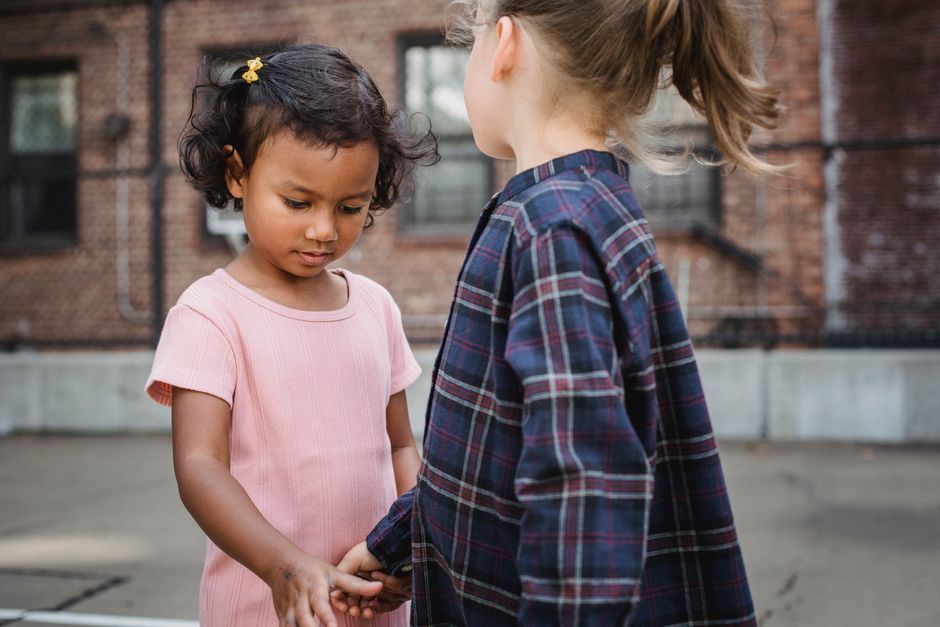
Empathy: The Underestimated Superpower
Empathy is not just a buzzword; it’s a vital skill that shapes children’s interactions with the world. In 2026, with global connectivity at an all-time high, understanding and sharing the feelings of others has never been more crucial. But how can parents cultivate empathy in their children effectively? Let’s unravel this important parenting goal.
Modeling Empathy: The First Step
Children learn by observing the adults around them. As parents, our actions speak louder than words. Demonstrating empathy in everyday situations, like offering a listening ear to a friend or showing kindness to a stranger, forms the foundation of empathetic behavior in children.
- Active Listening: Practice active listening with your children. When they speak, give them your full attention, make eye contact, and respond thoughtfully. This teaches them how to listen empathetically to others.
- Ask Open-Ended Questions: Encourage children to explore their feelings and the feelings of others by asking questions like “How do you think they felt when that happened?”
Storybooks: A Gateway to Understanding
Books are a wonderful tool for developing empathy. They allow children to step into the shoes of characters from diverse backgrounds and experiences. Choose stories that highlight themes of compassion and understanding, such as ‘The Invisible Boy’ by Trudy Ludwig or ‘Last Stop on Market Street’ by Matt de la Peña.
- Discussion Time: After reading a story, have a discussion with your child about the characters’ emotions and decisions. Ask them what they would have done in similar situations.
- Diverse Perspectives: Introduce books featuring diverse characters to open your child’s mind to different cultures and experiences.
Engaging in Community Service
Participating in community service projects is an excellent way for children to practice empathy in real-world settings. Whether it’s volunteering at a local animal shelter or participating in a community clean-up, these activities offer children a chance to put empathy into action.
- Find Kid-Friendly Opportunities: Look for service projects that are suitable for children’s ages and interests. Websites like VolunteerMatch can help you find local opportunities.
- Reflect Together: After participating, discuss the experience with your child. What did they learn? How did it make them feel? This reflection helps solidify their empathetic understanding.
The Role of Play in Empathy Development
Play is a natural way for children to explore emotions and relationships. Cooperative play, such as team sports or group art projects, requires children to work together, communicate, and understand each other’s perspectives.
- Encourage Role-Playing: Role-playing games allow children to explore different roles and emotions. This can be as simple as playing house or as structured as a drama class.
- Team Activities: Encourage participation in team sports or clubs, where working towards a common goal fosters cooperation and empathy.
Empathy in the Digital Age
In this digital era, children interact with others both offline and online. Teaching them the importance of empathy in digital communications is crucial. Discuss the impact of online words and actions, and model respectful online behavior.
- Mindful Messaging: Encourage children to think before they post or send messages. Ask them, “How would you feel receiving this message?”
- Online Empathy Exercises: Use digital tools and games designed to build empathy. Games like ‘Kind Words’ foster positive and supportive communications.
Practical Takeaway: Fostering empathy in children is an ongoing journey. By modeling empathetic behavior, engaging in storytelling, community service, cooperative play, and mindful digital interactions, parents can help their children become compassionate adults. Empathy is a gift that empowers our children to build better relationships and contribute positively to the world.