The Timeless Role of Toys in Childhood Development
As we venture into 2026, the world of toys is undergoing a fascinating transformation. Once simple objects of play, toys have always held an integral role in childhood development. Yet, their significance extends beyond mere amusement. Today, they are tools for learning, creativity, and emotional growth. From the blocks that build our understanding of physics to dolls that teach empathy and nurturing, toys are vital in shaping young minds. Now more than ever, parents are seeking toys that can tap into the limitless power of imagination.
The Rise of Sustainable and Ethical Toys
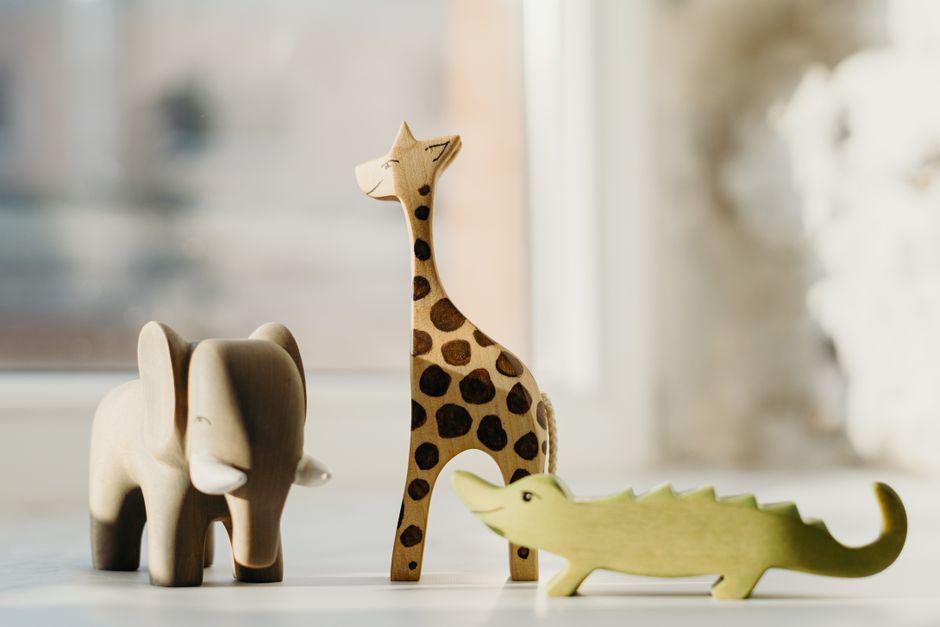
With increasing awareness of environmental impact, 2026 has seen a surge in demand for sustainable toys. Parents are prioritizing toys made from eco-friendly materials—think bamboo building sets and organic cotton stuffed animals. Brands like New York’s Green Sprouts and London’s Eco-Toyland are leading the charge, offering toys that are not only kind to our planet but also safe for children. Ethical production is no longer just a bonus; it’s a necessity as families seek to instill values of responsibility and care in their children from a young age.
The Fusion of Technology and Imagination
The digital age continues to influence playtime, but 2026 brings a balanced approach. The challenge lies in integrating technology without stifling creativity. Enter augmented reality (AR) and virtual reality (VR) toys. Companies like ToyTech and FuturePlay are creating experiences where physical and digital worlds blend seamlessly. Imagine a puzzle that comes to life with AR, teaching children about ecosystems and wildlife as they play. These innovations offer a dynamic layer to traditional toys, making learning an immersive experience.
Inclusivity in Play: Toys for All Abilities
Diversity and inclusion are shaping the toy industry in profound ways. In 2026, toy manufacturers are more committed than ever to creating products accessible to children of all abilities. Adaptive toys are designed to cater to a range of needs, ensuring every child can participate in the magic of play. Companies like InclusiPlay and ToyForAll are crafting toys with tactile features, auditory feedback, and customizable options. This shift is not just about accessibility; it’s about recognizing the unique potential in every child and fostering an inclusive environment for growth.
Reviving the Art of DIY Toys
While high-tech toys capture attention, there’s a heartwarming return to DIY and handmade toys. Parents appreciate the value in crafting toys at home, an activity that not only saves money but also strengthens family bonds. Kits for building your own wooden toys, sewing simple dolls, or creating art from recycled materials are popular choices. These activities encourage creativity and problem-solving, skills that are invaluable in any era. DIY toys remind us that the most cherished playthings are often those made with love.
Practical Takeaway: Choosing the Right Toys for 2026
In a world brimming with options, selecting the right toys can be overwhelming. Here’s a tip—strike a balance between innovative designs and timeless classics. Choose toys that inspire creativity and require active participation. Look for those that educate while entertaining, and remember the importance of sustainability and inclusivity. Ultimately, toys are more than objects; they are the building blocks of imagination and development. Encourage your children to explore, dream, and most importantly, play.