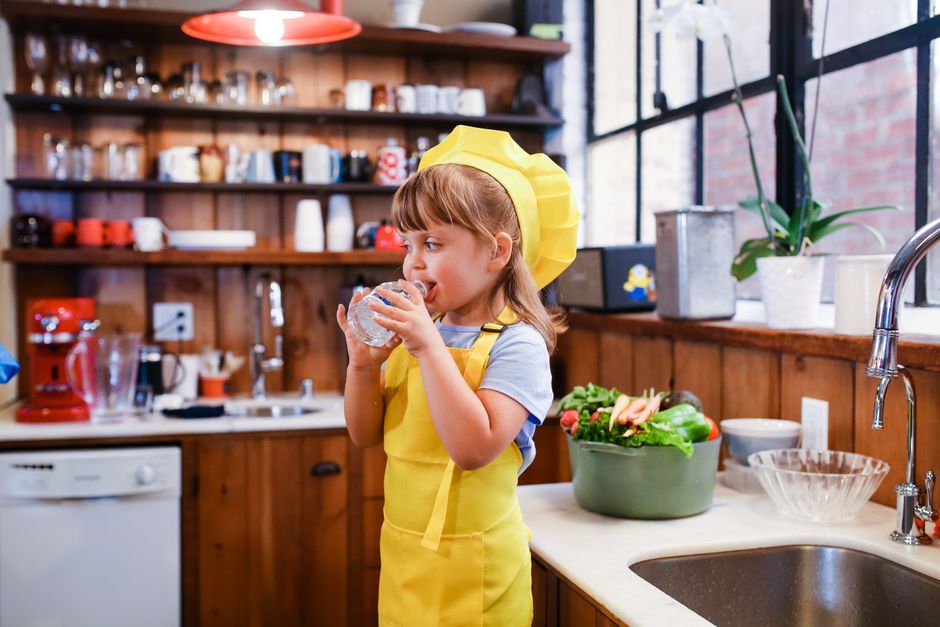
Introduction to the Culinary Classroom
In a world where culinary arts are more celebrated than ever, involving children in the kitchen is a trend that’s gaining delicious momentum. Cooking isn’t just about putting food on the table; it’s a journey of creativity, learning, and togetherness. By inviting kids to join you in the kitchen, you’re opening the door to a world of flavors, cultures, and skills that will serve them well throughout their lives.
The Benefits of Cooking with Kids
Cooking with children offers numerous benefits that extend beyond creating a tasty meal. It’s a sensory-rich experience where they can touch, smell, and even hear the sounds of sizzling ingredients. This hands-on activity fosters fine motor skills as little hands learn to chop, stir, and measure. Moreover, it encourages teamwork and communication, as following a recipe requires instruction and collaboration. Perhaps most importantly, it cultivates a sense of accomplishment and boosts confidence as their culinary creations come to life.
Recipes to Spark Young Imaginations
Choosing the right recipes is vital to keeping young chefs engaged and enthusiastic. Start with simple yet exciting dishes that require minimal supervision but offer maximum fun. Consider trying pizza-making nights where kids can create their own unique toppings. Alternatively, colorful fruit salad skewers allow them to explore different textures and tastes. For those with a sweet tooth, homemade ice cream can be a scientific and sweet adventure, as they watch ingredients transform before their eyes.
Incorporating Cultural Cuisine
Introducing children to global cuisines is an excellent way to broaden their horizons and foster an appreciation for diversity. Consider themed cooking nights that explore different countries’ signature dishes. Making sushi provides a hands-on experience with Asian flavors, while preparing tacos can be a festive dive into Mexican cuisine. Not only does this encourage adventurous eating habits, but it also doubles as a geography lesson at the dinner table.
Creating a Safe and Inviting Kitchen Space
Safety is paramount when kids are in the kitchen. Equip your cooking space with kid-friendly tools like plastic knives and heat-resistant mats. Create a designated spot where they can comfortably work at their level, whether it’s a sturdy stool or a dedicated countertop area. Emphasize the importance of cleaning as you go, teaching them to maintain a tidy workspace, which will also make the post-cooking cleanup a breeze.
Practical Takeaway: Culinary Confidence for Life
Encouraging children to cook from an early age can instill culinary confidence that lasts a lifetime. They learn to see food as both a necessity and a creative outlet, fostering a positive relationship with what they eat. By making cooking a regular family activity, you’re not just teaching them to whip up meals; you’re equipping them with essential life skills that transcend the kitchen.