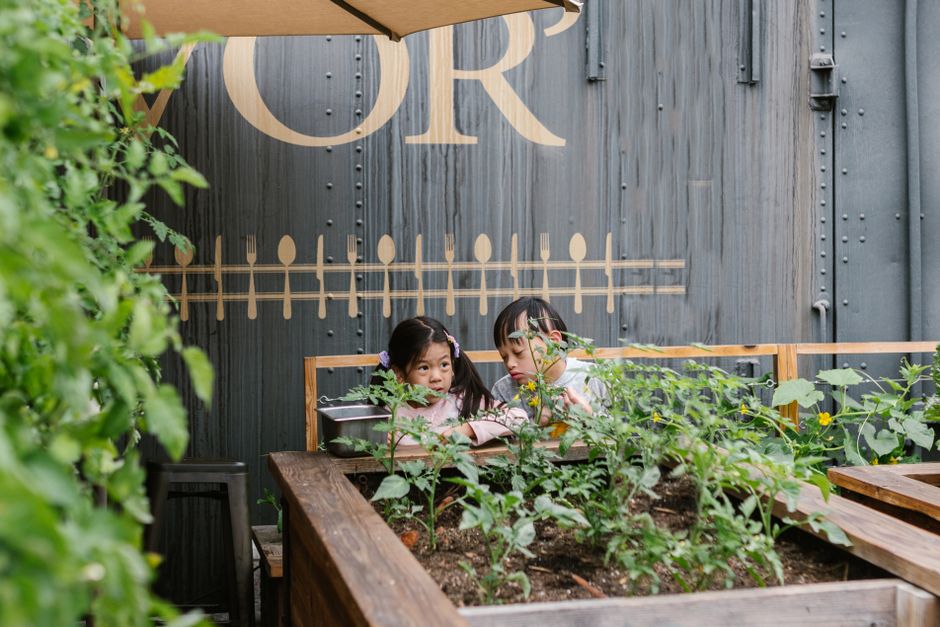
Introduction: A Fresh Perspective on Gardening
Gardening has long been a cherished hobby, but in 2026, it’s gaining fresh momentum as more families introduce their children to the wonders of growing plants. With urban spaces increasingly transforming into green oases, there’s a compelling case for inviting our little ones to dig in and get their hands dirty. More than just a pastime, gardening teaches patience, responsibility, and the joys of nurturing life. Let’s delve into how you can turn your budding botanists into lifelong lovers of the earth.
The Benefits of Gardening for Children
Gardening is not just about plants; it’s about growth — in every sense of the word. For children, gardening offers a myriad of benefits:
- Sensory Development: In the garden, children engage all five senses. They feel the texture of soil, smell the fragrance of blossoms, hear the rustle of leaves, see vibrant colors, and even taste the freshness of their harvests.
- Emotional Growth: Watching a seed sprout into a plant fosters a sense of wonder and accomplishment, building confidence and emotional resilience.
- Family Bonding: Tending to a garden together strengthens family bonds and creates lasting memories. It’s a shared activity that’s both fun and rewarding.
Step-by-Step Guide to Starting a Family Garden
Starting a family garden can seem daunting, but with a little planning, it’s a rewarding project that everyone can enjoy. Here’s how to get started:
- Select a Space: Whether you have a sprawling backyard or a modest balcony, any space can be transformed into a lush garden. Pick a sunny spot that’s easily accessible for little hands.
- Choose the Right Plants: Opt for easy-to-grow plants like tomatoes, radishes, or lettuce. Quick-growing plants help maintain children’s interest.
- Involve Your Kids: Allow your children to participate in the planning process. Let them choose seeds, help prepare the soil, and water the plants. This involvement will boost their enthusiasm.
- Teach and Learn Together: Use gardening as an educational tool. Teach your kids about the life cycle of plants, the importance of pollinators, and environmental stewardship.
Innovative Gardening Techniques for 2026
In 2026, gardening has evolved with innovative techniques that make it even more accessible and exciting for families:
- Vertical Gardens: Perfect for urban dwellers, vertical gardens allow families to grow more in less space. Children will enjoy the unique challenge of arranging plants vertically.
- Hydroponics: This soil-free method can be a fascinating project for older children, introducing them to advanced concepts of plant biology and sustainability.
- Smart Gardening Tools: With technology, monitoring plant health is easier than ever. Tools that measure soil moisture or sun exposure can educate and entertain tech-savvy kids.
Overcoming Common Challenges
Gardening isn’t without its hurdles, but each challenge presents an opportunity for growth and learning:
- Pests and Diseases: Introduce children to natural pest control methods like companion planting or beneficial insects.
- Weather Conditions: Teach your kids how to protect plants from harsh weather, such as using mulch for insulation or creating shade during intense heat.
- Maintaining Interest: Keep gardening fun and engaging by setting up scavenger hunts, creating plant markers, or starting a gardening journal.
Practical Takeaway: Growing Together
Encouraging children to cultivate their green thumbs is more than just a hobby — it’s about instilling values of care, patience, and responsibility. As more families embrace gardening in 2026, they’re not only growing plants but also nurturing a deeper appreciation for nature and each other. So grab a trowel, gather your family, and start planting memories today. The garden of tomorrow begins with the seeds you sow together.