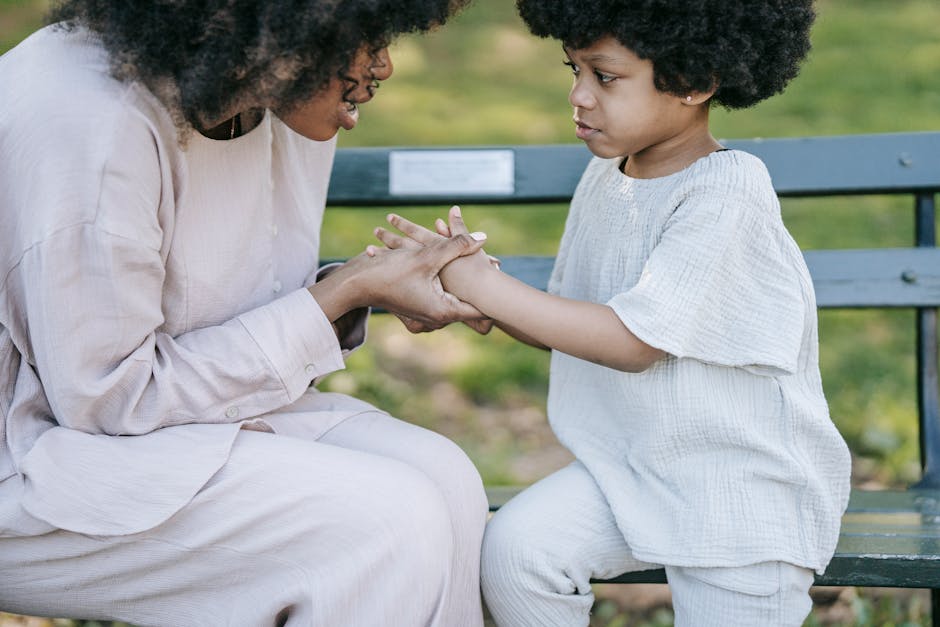
Why Teaching Empathy is More Important Than Ever
In the fast-paced world of 2026, filled with technological advancements and global interconnectedness, there seems to be a growing void in one critical area: human empathy. As parents and caregivers, instilling this essential trait in our children has never been more crucial. Empathy not only enhances emotional intelligence but also prepares children to navigate a world that is as complex as it is beautiful.
The Role of Empathy in Child Development
Empathy is the ability to understand and share the feelings of another. For children, developing this skill is foundational to their emotional and social development. According to the Child Mind Institute, children who learn empathy are more likely to develop positive relationships, succeed academically, and experience mental well-being. The Carnegie Mellon University study in 2024 revealed that children taught empathy at an early age showed a 40% improvement in problem-solving skills compared to their peers.
Incorporating empathy into early childhood education can make a significant difference. Schools in Finland, renowned for their progressive education system, have integrated empathy training into their curriculum. Children participate in role-playing activities that encourage them to see the world from different perspectives, fostering a culture of understanding and respect.
Empathy in the Age of Technology
As digital natives, today’s children are growing up with technology at their fingertips. While technology offers numerous educational benefits, it can also lead to decreased face-to-face interactions. A report by Common Sense Media in 2025 found that teenagers spend an average of 7.5 hours per day on screens, often at the expense of developing interpersonal skills.
Teaching empathy in such a digitally dominant world requires a balanced approach. Parents can leverage technology to teach empathy by using apps like ‘Empathy Game’ that are designed to cultivate emotional intelligence through interactive storytelling. Additionally, setting aside ‘tech-free’ family hours can encourage meaningful conversations and deeper connections.
Cultural Empathy: Understanding Diversity
In our increasingly multicultural societies, cultural empathy is becoming just as important as emotional empathy. Children today are more likely to interact with peers from diverse backgrounds. According to the Pew Research Center, by 2045, the United States will be a minority-majority country. Understanding and respecting cultural differences is vital for fostering inclusivity and tolerance.
Encourage children to learn about different cultures through books, films, and cultural events. Schools in New York City have introduced ‘Cultural Exchange Days’, where students share their heritage through presentations and activities. This not only broadens their horizon but also instills a sense of empathy towards cultural diversity.
Empathy and Emotional Resilience
Empathy is closely linked to emotional resilience — the capacity to recover quickly from difficulties. When children are empathetic, they are better equipped to understand and manage their own emotions, as well as those of others. Dr. Lisa Damour, a clinical psychologist, emphasizes that empathy can act as a buffer against anxiety and depression, which have been on the rise among children and adolescents.
Encouraging children to express their feelings through art or journaling can be a powerful way to build empathy and resilience. Engaging in volunteer work is another practical approach. Participating in community service projects, like volunteering at local shelters, can help children understand the challenges others face and develop a compassionate outlook.
Practical Ways to Foster Empathy
Raising empathetic children doesn’t happen overnight, but small, consistent efforts can yield significant results. Start by modeling empathetic behavior yourself; children learn a lot through observation. Engage them in conversations about emotions and encourage them to talk about their feelings.
- Storytelling and Reading: Share stories that highlight empathy and discuss the characters’ feelings and motivations. Books like ‘Wonder’ by R.J. Palacio are excellent conversation starters.
- Role-Playing Games: Use role-playing to help children understand different perspectives. Pretend to be different characters and discuss how they might feel in various situations.
- Listen Actively: When your child talks, listen without interrupting. Validate their feelings and show that you understand their point of view.
- Encourage Acts of Kindness: Simple acts like writing thank you notes or helping a neighbor can make empathy a natural part of their lives.
These strategies not only nurture empathy but also strengthen the parent-child bond, creating a supportive environment for children to flourish.
Looking Forward: The Empathetic Future
As we move further into the 21st century, the ability to empathize will become an invaluable skill, bridging divides and fostering harmony in our global community. By prioritizing empathy in parenting and education, we are equipping the next generation with the tools they need to thrive in an ever-changing world.
Let empathy be the legacy we pass on, creating a more compassionate and connected future for all.