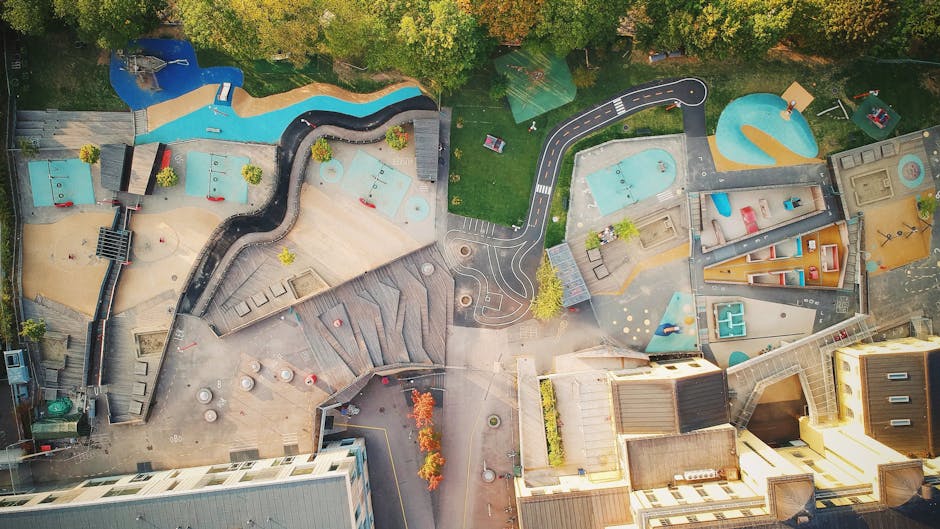
The Unexpected Comeback of Playgrounds
In an era dominated by screens and digital distractions, it might seem surprising that traditional playgrounds are making a vibrant comeback. But as we step into 2026, communities across the globe are rediscovering the value of these open-air havens. Playgrounds aren’t just places for kids to burn off energy; they’re becoming essential hubs for creativity, social interaction, and unstructured play.
Why Playgrounds Matter More Than Ever
Recent studies have shown that children spending time on playgrounds exhibit improved social skills and enhanced creativity. According to the Global Activity Report 2026, children using playgrounds regularly displayed a 30% increase in cooperative play. Moreover, these spaces contribute significantly to physical health, countering the sedentary lifestyle many children have adopted.
In cities like Portland, Oregon, local governments are investing in innovative playground designs that incorporate natural elements. These new-age playgrounds feature climbing walls made of recycled materials, water play areas powered by solar energy, and sensory gardens that stimulate curiosity.
Designing Playgrounds for the Modern Kid
The playgrounds of 2026 are no longer the generic swing sets and slides of the past. Today’s designs cater to a diverse range of interests and developmental stages. In Sydney, Australia, the newly opened “Adventure World” playground includes interactive storytelling pods where children can weave their own stories in a group setting. This interactive approach helps kids develop language skills while also fostering empathy and teamwork.
Additionally, inclusive playgrounds are on the rise, ensuring children of all abilities can play together. For example, London’s “Harmony Park” features wheelchair-accessible swings and sensory panels that engage children with autism, creating an inclusive environment for everyone.
Encouraging Parental Involvement
One of the most exciting aspects of the playground revival is the shift in parental involvement. Modern playgrounds are designed with adults in mind too, offering amenities like comfortable seating, Wi-Fi connectivity, and even refreshment stations. Parents are encouraged to engage with their children, participate in activities, and foster a sense of community.
In Toronto, Canada, community events like “Family Fun Fridays” have taken off, where families gather at local playgrounds for games, storytelling, and educational workshops. These events are not just about play; they build relationships and strengthen local communities.
Playgrounds as Educational Tools
Playgrounds are evolving into educational spaces where learning happens naturally. In Helsinki, Finland, “Nature’s Academy” playground features interactive panels that teach kids about local wildlife and ecosystems. These panels are updated seasonally, ensuring there’s always something new to learn.
Moreover, these educational components aren’t limited to science and nature. Many playgrounds now include musical instruments, encouraging children to explore sound and rhythm. This multi-sensory approach caters to different learning styles and keeps children engaged.
The Practical Takeaway: Bringing Playgrounds Back to Life
If you’re a parent or a community leader looking to revitalize a playground or create a new one, consider these steps. Focus on inclusivity, ensuring children of all abilities can participate. Incorporate natural and recycled materials to teach children about sustainability. Most importantly, create spaces that invite parents and caregivers to be part of the play.
In 2026, playgrounds aren’t just for play; they’re vital community assets that nurture creativity, inclusivity, and life-long skills. So, let’s embrace these spaces as the powerful tools they are and watch our children thrive.