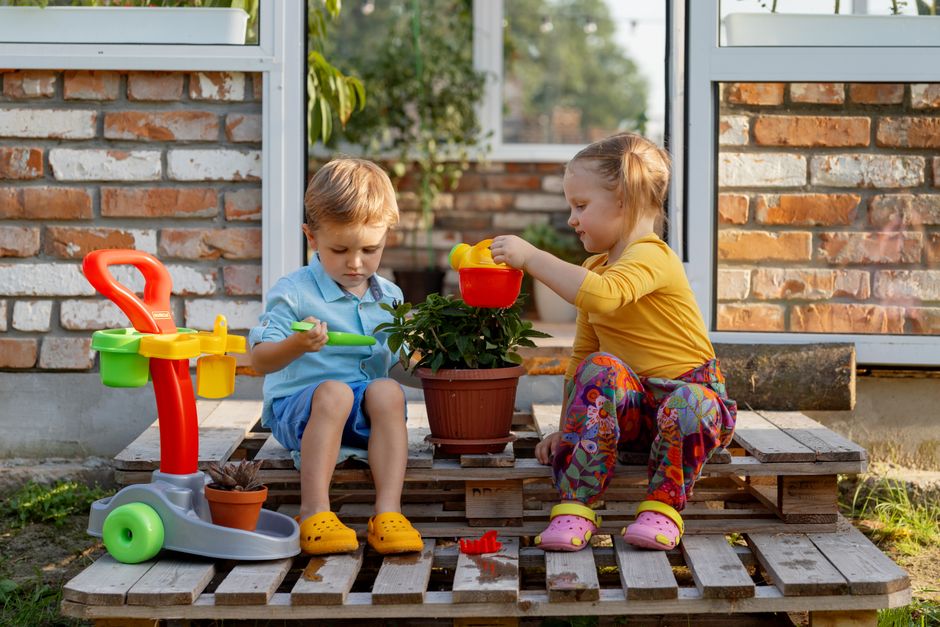
Introduction: The Blossoming Connection Between Kids and Gardens
Imagine stepping into a garden where every plant is a new adventure and every flower tells a story. In 2026, more families are transforming their backyards into vibrant learning spaces, using gardening as a tool to foster creativity in children. It’s not just about growing plants; it’s about cultivating young minds.
The Magic of Miniature Gardens
Gone are the days when gardening was simply about rows of vegetables. Today, miniature gardens are all the rage, capturing the imagination of children across the globe. These tiny, enchanted spaces can feature whimsical themes from fairy tales to alien worlds. In cities like Portland and Austin, community workshops teach families how to create these magical landscapes in pots, using miniature figurines and succulents. It’s a creative exercise that encourages children to dream big in small spaces.
Gardening Schools: Blooming Centers of Learning
Across the United States, institutions like the Brooklyn Botanic Garden now offer after-school programs focused on horticulture. These gardening schools teach kids not just about botany, but also about responsibility and patience. They learn to care for plants, understand ecosystems, and witness the full life cycle from seed to flower. This hands-on experience is invaluable in teaching children about the delicate balance of nature and the importance of taking care of our planet.
Technological Innovations: Apps and Gadgets
In 2026, technology and nature are not at odds — they are partners in education. Gardening apps like ‘Planty Buddies’ and ‘GrowIt!’ help kids identify plant species, track growth, and even suggest plant care tips. In places like Silicon Valley, tech-savvy schools have introduced smart gardens equipped with sensors that monitor soil moisture and sunlight exposure. These gadgets provide real-time data, allowing children to learn about plant needs scientifically and intuitively.
From Farm to Table: Teaching Sustainability
Gardening doesn’t stop at the soil line. It continues to the table, teaching children about food sources and sustainability. Schools in Los Angeles and Boston have integrated farm-to-table programs where students harvest vegetables and learn to cook nutritious meals. This holistic approach not only enhances their appreciation for food but also instills a sense of accomplishment and independence.
Community and Connection: Bridging Generations
Gardening is more than an individual pursuit; it’s a community-builder. Neighborhoods around the country are creating communal gardens that bring together families of all ages. In Chicago, community gardens are thriving hubs where children learn from seasoned gardeners. This interaction bridges generational gaps, letting children absorb wisdom and stories while sharing their boundless enthusiasm and fresh ideas.
Practical Takeaway: Start Your Child’s Gardening Journey
Gardening is one of the most rewarding activities you can introduce your child to in 2026. Start small — a windowsill herb garden or a container filled with colorful flowers can ignite a passion for nature. Encourage your child to keep a gardening journal to track their plants’ progress and express their thoughts creatively. Engage with local gardening clubs or online communities to discover new ideas and share experiences. Remember, the goal is to let your child explore, imagine, and learn at their own pace.