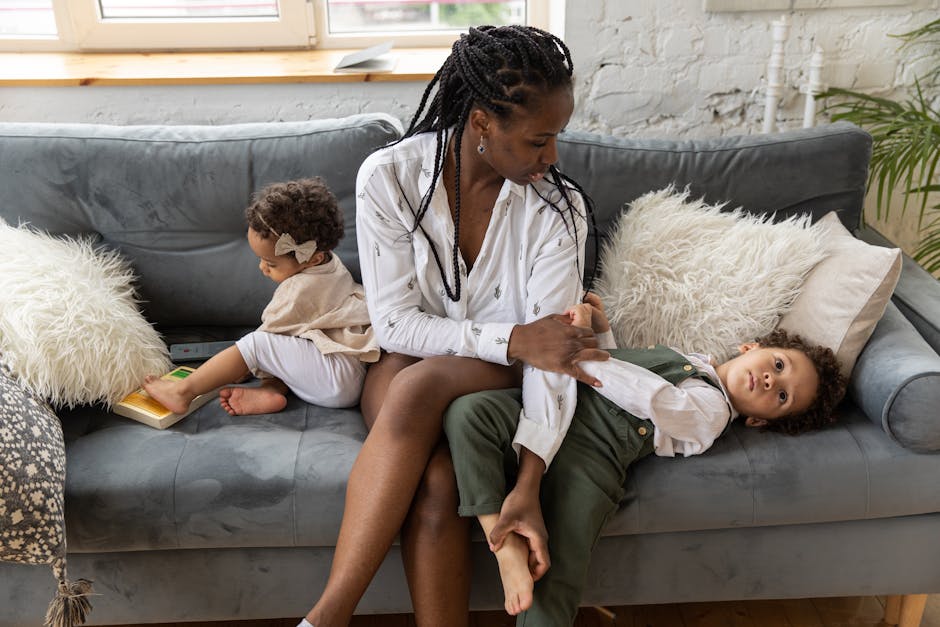
How to Navigate Sibling Rivalry Effectively
Sibling rivalry is a tale as old as time. Whether it’s bickering over who gets the last slice of pizza or something more serious, managing these conflicts is a crucial aspect of parenting. Developing effective strategies to navigate sibling rivalry can transform chaos into harmony, fostering a more peaceful and supportive family environment.
Understanding the Roots of Rivalry
Sibling rivalry often stems from competition for parental attention, jealousy, or personality clashes. Research by the University of Cambridge in 2024 suggested that around 80% of siblings experience rivalry at some point, with the intensity varying based on age gaps, personalities, and family dynamics.
In many cases, rivalry is a normal part of growing up. It can help children learn about conflict resolution and empathy. However, when not handled appropriately, it can lead to long-term resentment. Thus, identifying and understanding the root causes in your family context is crucial.
Establishing Fairness and Boundaries
Consistency and fairness lay the foundation for resolving conflicts. Children need to understand that while equality is the goal, fairness doesn’t always mean treating every child the same. Different ages and stages of development require tailored approaches. Parents in New York have successfully used family meetings to discuss rules and expectations, ensuring each child feels heard and valued.
- Set clear rules: Outline acceptable behaviors and consequences. Make sure these are age-appropriate and consistently enforced.
- Encourage turn-taking: Whether it’s choosing a TV show or deciding on a family game, rotating turns can reduce disputes over decision-making.
- Recognize individuality: Celebrate each child’s unique strengths and milestones. This helps diminish feelings of rivalry based on comparison.
Encouraging Healthy Communication
Teaching children to communicate their feelings effectively is a skill that will serve them well beyond their childhood years. Encourage open dialogue and active listening within your household.
In a recent survey conducted by the Chicago Parenting Network, 67% of parents noticed a significant decrease in sibling conflicts when they actively engaged their children in discussions about feelings and solutions.
Here are some techniques to foster better communication:
- Model positive language: Children often mimic their parents. Use positive words and phrases when addressing disputes.
- Teach conflict resolution skills: Guide your children through resolving their disputes by identifying the problem, discussing feelings, and finding a mutual solution.
- Practice active listening: Show empathy when children express their frustrations and encourage them to listen to each other’s perspectives.
Promoting Cooperative Play
Encouraging cooperative play is an excellent way to improve sibling relationships. Shared activities can enhance bonding and reduce rivalry. Consider setting up collaborative projects such as building a fort or cooking a meal together.
Parents in Los Angeles have shared how participating in community team sports or family game nights has strengthened their children’s ability to work together and reduced competitiveness.
The goal is to create opportunities where siblings can rely on each other’s strengths, which builds trust and camaraderie.
Seeking Professional Guidance When Necessary
There are times when sibling rivalry may escalate beyond what a family can handle independently. If conflicts become increasingly hostile or affect the overall family atmosphere, seeking professional help may be beneficial.
Family therapists and counselors in cities like Austin and Miami have become valuable resources for parents struggling with intense sibling rivalry. They can provide tailored strategies and support to restore peace and harmony to the home environment.
Early intervention can prevent long-term emotional damage, guiding children towards healthier relationships.
Fostering Independence and Self-Identity
Encouraging children to pursue their interests and develop their individual identities can significantly reduce rivalry triggered by competition for recognition or favoritism. Let each child have their unique space and opportunities to shine.
In a vibrant community like San Francisco, parents have embraced this concept by enrolling their children in various extracurricular activities that cater to their individual passions, be it dance, robotics, or painting.
Promoting independence not only reduces rivalry but also prepares children to become confident and self-reliant adults.
Practical Takeaway: Sibling rivalry is a common, yet manageable issue that requires thoughtful strategies and consistent parenting. By understanding its roots, establishing fairness, encouraging healthy communication, and fostering cooperation, parents can transform sibling rivalry into an opportunity for growth and learning. Remain patient and adaptive, as every family is unique, and what works for one may need adjustment for another.