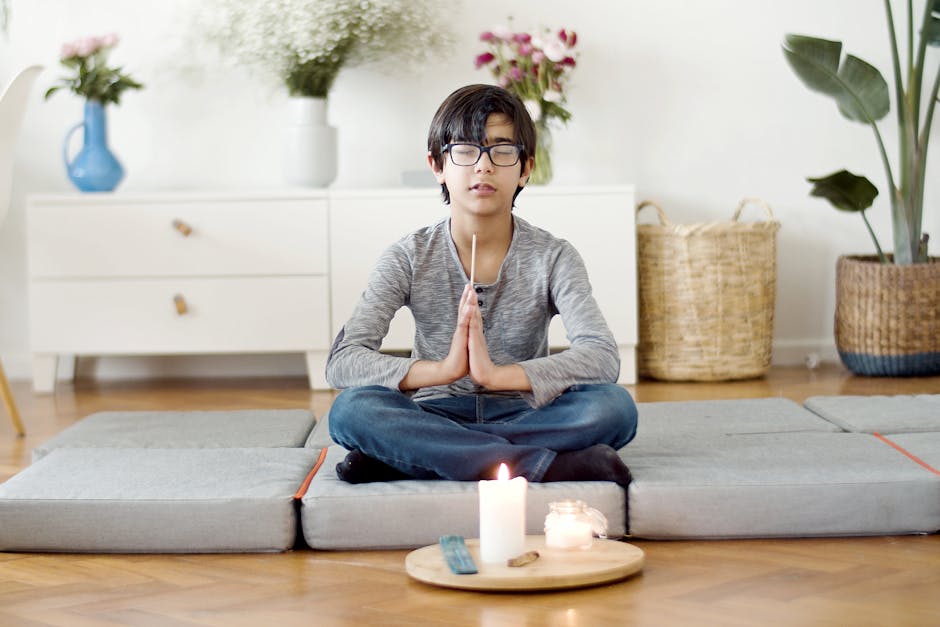
The Mindful Revolution: Why It’s Perfect for Kids
By 2026, mindfulness isn’t just a buzzword in adult wellness; it’s making waves in child development too. From bustling city schools in New York to serene countryside classes in Vermont, educators and parents are observing its profound impact. But why is mindfulness such a game changer for our kids?
Mindfulness, the practice of focusing one’s full attention on the present moment, has shown remarkable benefits for children. Studies indicate that kids practicing mindfulness display improved emotional regulation, heightened focus, and better stress management. In a world where children as young as six are experiencing anxiety, these skills are invaluable.
How Mindfulness Transforms the School Environment
Schools are increasingly adopting mindfulness as part of their curriculum. In places like California and Massachusetts, entire school districts are implementing mindfulness sessions as part of daily routines. Teachers report that mindfulness practices lead to calmer classrooms, where children are more engaged and less prone to disruptive behavior.
Take the example of Maplewood Elementary in San Francisco. After introducing 10-minute mindfulness breaks, teachers noticed a whopping 30% decrease in behavioral issues. Moreover, academic performance improved, especially in subjects requiring sustained attention, like math and reading.
Simple Mindfulness Exercises for Home
Integrating mindfulness into home life doesn’t require expensive gadgets or a lot of time. Here are some simple exercises you can try with your child:
- Belly Breathing: Have your child lie down and place a small stuffed animal on their belly. Encourage them to watch the toy rise and fall as they breathe deeply. This is a fun way to teach them about deep breathing.
- Gratitude Journaling: Encourage your child to write down three things they are grateful for each day. This practice can help shift their focus to positive aspects of their life.
- Mindful Listening: Play a nature sound or a calm piece of music and ask your child to focus on the sounds they hear, identifying as many as possible. This enhances their listening skills and concentration.
Mindfulness Apps: Bridging Technology and Calm
In our tech-savvy era, apps like “Mindful Me” and “Calm Kids” are gaining popularity. These apps offer guided meditations, stories, and exercises designed specifically for children. The best part? They’re user-friendly for kids and provide a structured way to practice mindfulness.
For instance, “Mindful Me” provides short, engaging sessions that teach kids how to handle emotions like anger or anxiety. As a parent, you can easily track your child’s progress and even join in on sessions for family mindfulness time.
Parent’s Role: Modeling Mindfulness
Children are keen observers and often mimic the adults around them. As parents, practicing mindfulness yourself can set a powerful example. Whether it’s a quick meditation in the morning or a mindful walk in the evening, these practices show your child the value of being present.
Consider starting a “mindful moment” routine where you and your child take a few minutes each day to sit quietly together. Discuss your experiences afterward, sharing what you noticed or felt. This not only strengthens your mindfulness practice but also enhances your bond with your child.
Practical Takeaway: Start Small and Be Consistent
Introducing mindfulness to your child’s routine doesn’t have to be overwhelming. Start with small, simple practices and integrate them consistently. Over time, you’ll likely notice a shift in your child’s ability to focus, manage stress, and navigate emotions. Embracing mindfulness is not just about addressing challenges; it’s about equipping kids with tools for lifelong well-being.