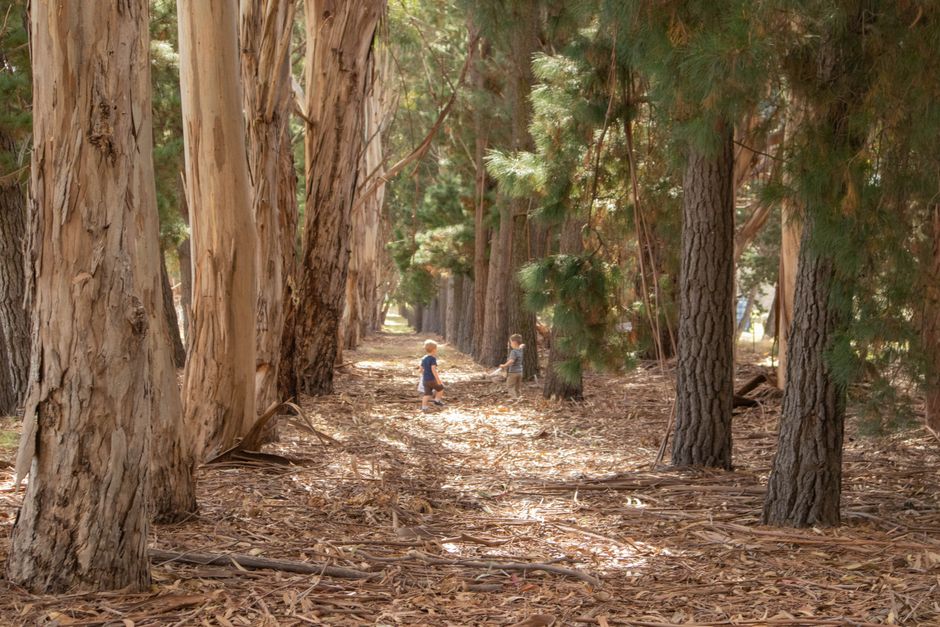
Reconnecting Kids with Nature: Why It’s More Crucial Than Ever
In an era where screens dominate our daily lives, nurturing a child’s connection with nature can seem like a daunting task. However, the importance of grounding our children in the natural world is becoming increasingly evident. Recent studies have shown that children who engage regularly with nature are less stressed, more creative, and emotionally resilient. In 2026, parents are increasingly prioritizing outdoor experiences as essential components of their kids’ development, not just leisure activities.
Creating Nature-Loving Habits from a Young Age
Building nature-loving habits starts with simple activities that gradually become a part of family routines. Think evening walks around your neighborhood park or a weekend morning spent tending to a backyard garden. Encourage children to notice changes in the seasons or the different sounds of birds. The idea is to infuse a sense of curiosity and respect for the environment in their day-to-day life. As these habits root, they naturally evolve into a deeper connection and understanding of the natural world.
Local Adventures: Exploring Nearby Natural Wonders
Your local area is likely brimming with unexplored natural delights. Whether it’s the trails of New York’s Adirondacks, the vast landscapes of the Grand Canyon, or the serene beaches of California’s coastline, each location offers unique experiences to children. Organize family trips that incorporate educational elements—teaching kids about local flora and fauna or the geological histories of the places you visit. An experiential learning approach ensures that children not only enjoy the outdoors but also gain valuable knowledge and skills.
The Role of Schools and Communities in Fostering Outdoor Learning
By 2026, many schools have begun integrating outdoor learning into their curricula, understanding its benefits for children’s cognitive and emotional growth. Programs such as ‘Forest Schools’ have gained traction across the U.S., where children spend part of their school day outside, engaging in activities that boost both academic and social skills. Community initiatives, such as nature clubs or family-friendly conservation projects, also provide platforms for children to connect with nature collectively, fostering a sense of community and teamwork.
Embracing Technology: Using Digital Tools to Enhance Nature Experiences
Interestingly, technology, often seen as nature’s rival, can actually serve as a bridge between children and the environment. Interactive apps that identify plants and animals, augmented reality games about ecosystems, or virtual reality experiences of waterfalls and coral reefs can complement real-world exploration. These tools are not substitutes but facilitators that can deepen a child’s understanding and appreciation of nature, making outdoor adventures even more engaging and educational.
Practical Takeaway: Making Nature a Family Priority
Ultimately, the key to nurturing a child’s relationship with nature is making it a consistent part of your family’s lifestyle. Create traditions around nature, whether it’s an annual camping trip, a monthly nature scavenger hunt, or a daily walk. The emphasis should be on making these experiences enjoyable and meaningful. By prioritizing nature, families can foster happier, healthier, and more environmentally conscious children ready to embrace the world around them.