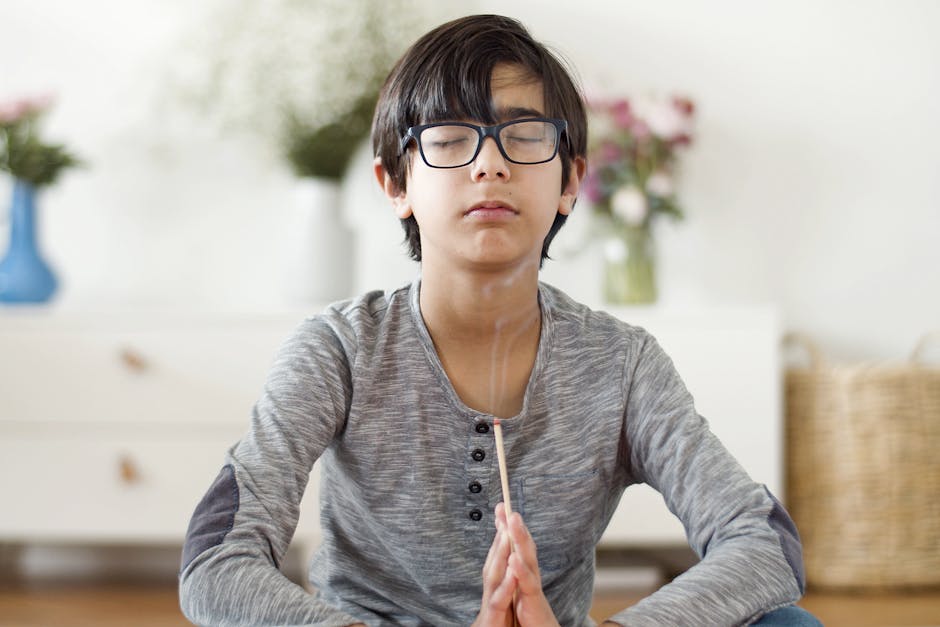
The Growing Need for Mindfulness in Children’s Lives
Katie, a bright seven-year-old from Chicago, used to have difficulty concentrating during her school lessons. Her mind would wander, leaving her feeling restless and anxious. After her parents enrolled her in a mindfulness class, which included simple breathing exercises and guided imagery, Katie’s teachers noticed significant improvements in her focus and behavior.
Similar stories are becoming increasingly common. According to a 2025 study by the National Institutes of Health, nearly 30% of children in the United States experience anxiety disorders. Mindfulness practices, embedded into the daily routine of schools and families, offer valuable tools to help kids navigate these challenges.
How Mindfulness Affects the Developing Brain
Children’s brains are like sponges, soaking up information and experiences at a rapid pace. This is a crucial period when the brain’s plasticity—its ability to change and adapt—is at its peak. Mindfulness practices have been shown to positively influence this development. According to research conducted by Harvard University’s Center on the Developing Child in 2024, mindfulness helps strengthen the prefrontal cortex, the part of the brain responsible for decision-making, attention, and emotional regulation.
Moreover, the amygdala, which processes emotions like fear and anxiety, has been found to shrink with regular mindfulness practice. This physiological change helps children react more calmly to stressful situations, which can be especially beneficial in a fast-paced, often overwhelming world.
Building Emotional Resilience through Simple Practices
Mindfulness isn’t just about deep meditation or hours of silence. It’s about small, simple practices integrated into everyday life. Take, for example, the “Five Senses Exercise,” where kids take a moment to notice things they can see, hear, feel, smell, and taste. This exercise can be done in the classroom, at home, or even in the park, providing a quick way to ground children and bring their attention back to the present moment.
Such practices build emotional resilience, allowing children to approach challenges with a clearer mind and steadied emotions. In a 2025 survey conducted by the Mindful Schools Organization, 75% of educators reported that students who practiced mindfulness regularly were better able to manage stress and handle conflicts.
Mindfulness in Schools: A Success Story
Across the globe, educational institutions are recognizing the benefits of mindfulness. In the UK, a pioneering initiative called “Mindful Minutes” was introduced in over 200 schools by 2023. Teachers set aside a few minutes each day for students to engage in mindful breathing or reflection. The results were striking—teachers reported a 40% decrease in classroom disruptions and a notable increase in students’ engagement and focus.
In Australia, the “Calm Classrooms” initiative in Melbourne schools encourages teachers to begin and end each class with mindfulness exercises. As a result, students not only performed better academically but also developed a deeper understanding of empathy and compassion.
Parents’ Role in Cultivating Mindfulness at Home
Parents play a pivotal role in fostering mindfulness in their children’s lives. Creating a mindful environment at home doesn’t require elaborate setups; it can start with small actions. Encourage open conversations about emotions and practice mindful listening, where the focus is solely on what your child is saying, without interruptions or judgments.
Introduce family mindfulness time, perhaps before bedtime, where everyone shares something they are grateful for or reflects on the day. These practices not only strengthen family bonds but also teach children the value of presence and gratitude.
Practical Takeaway: Start Mindfulness Young
Given the profound benefits of mindfulness for children, introducing these practices early can set the foundation for a healthier, more balanced life. Whether it’s through school programs or family activities, the key is consistency. Integrate mindfulness into daily routines and watch as children develop into more centered and emotionally intelligent individuals.
Mindfulness is more than a trend—it’s a necessary skill for today’s young minds. By fostering mindfulness in children, we’re equipping them with the tools they need to navigate their future with resilience and clarity.