Why Outdoor Education is Gaining Popularity
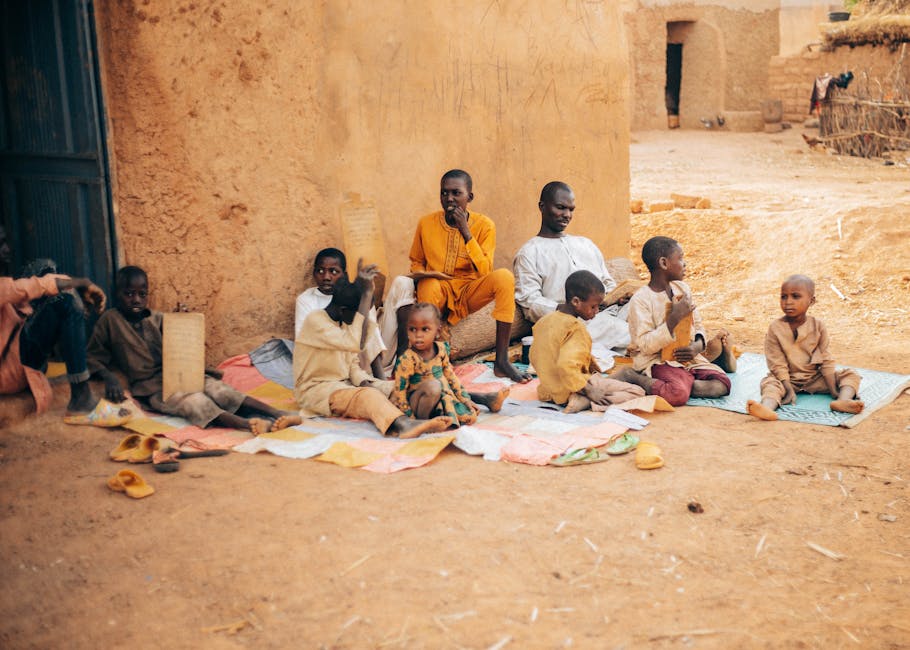
Imagine a classroom without walls, where students learn by exploring nature and engaging directly with the environment. This is the essence of outdoor education, a trend that’s sweeping across the globe and reshaping how we think about learning and development for children. As we navigate through 2026, it’s clear that outdoor education is no longer just a niche fad but a significant movement in the world of childcare and education.
Understanding the Benefits of Outdoor Education
Outdoor education offers a plethora of benefits that traditional indoor classrooms simply can’t match. One of the most significant advantages is the boost it provides to physical health. Children are naturally energetic, and being able to move freely in an outdoor setting encourages physical activity which is crucial for their growth and development.
A study conducted by the University of Colorado Boulder in 2024 found that children who participated in outdoor learning sessions showed a 25% increase in physical activity compared to their peers who were confined to indoor classrooms. This increased activity helps combat the rising levels of childhood obesity and encourages a lifelong habit of staying active.
Nurturing Emotional and Social Skills
Beyond physical benefits, outdoor education plays a critical role in developing emotional and social skills. Children who learn outdoors often exhibit increased cooperation and communication skills. The natural environment encourages teamwork and problem-solving as children are often tasked with group challenges that require collective input.
At Forest School in Hampshire, UK, educators have noted a 30% increase in positive social interactions among students who engage in outdoor education programs. These interactions foster a sense of community and help children develop empathy and emotional intelligence.
Enhancing Academic Performance
While it might seem counterintuitive, stepping outside the traditional classroom can actually enhance academic performance. Outdoor education encourages experiential learning, where students learn through direct experience rather than passive absorption of information. This method of learning has been shown to improve retention and comprehension.
For example, a 2025 study by the University of British Columbia highlighted that students involved in outdoor education scored 15% higher in science and mathematics assessments compared to those in traditional settings. These findings suggest that the hands-on approach of outdoor education not only makes learning enjoyable but also effective.
Connecting with Nature and the Environment
In an age where digital screens often dominate children’s attention, outdoor education provides a critical counterbalance by fostering a connection with nature. Children learn about ecosystems, weather patterns, and environmental conservation first-hand, encouraging a sense of responsibility and stewardship for the planet.
Programs like the Bay Area Wilderness Training in California have been pivotal in promoting environmental education. By involving students in activities like tree planting and wildlife tracking, these programs inspire a new generation of environmentally conscious individuals who are likely to champion sustainability efforts in the future.
Overcoming Barriers and Expanding Access
Despite its many benefits, outdoor education is not without its challenges. Access and funding remain significant barriers, particularly in urban areas where green spaces are limited. However, innovative solutions are emerging. For instance, the Green Schoolyards America initiative has been transforming urban schoolyards into vibrant outdoor learning environments, making outdoor education more accessible to children in cities.
Moreover, partnerships with local parks and community organizations have been effective in providing resources and spaces for outdoor learning. In New York City, the Urban Park Rangers program collaborates with public schools to facilitate outdoor education, reaching over 10,000 students annually.
The Future of Outdoor Education
As we move forward, the popularity of outdoor education is set to grow. With increasing evidence of its benefits and the burgeoning support of communities and policymakers, the future looks bright for this educational approach. Parents and educators are recognizing that stepping outside can provide children with invaluable life skills and learning opportunities that go beyond the confines of traditional education.
For parents considering this path, it’s essential to look for programs that align with their values and the specific needs of their child. Many schools now offer hybrid curriculums that integrate outdoor learning with core academic subjects, providing a balanced and holistic education.
The trend of learning outside the classroom is more than just a fleeting movement. It’s an evolution in education that promises to cultivate healthier, happier, and more well-rounded children. As outdoor education continues to gain momentum, its impact on the next generation will undoubtedly be profound.