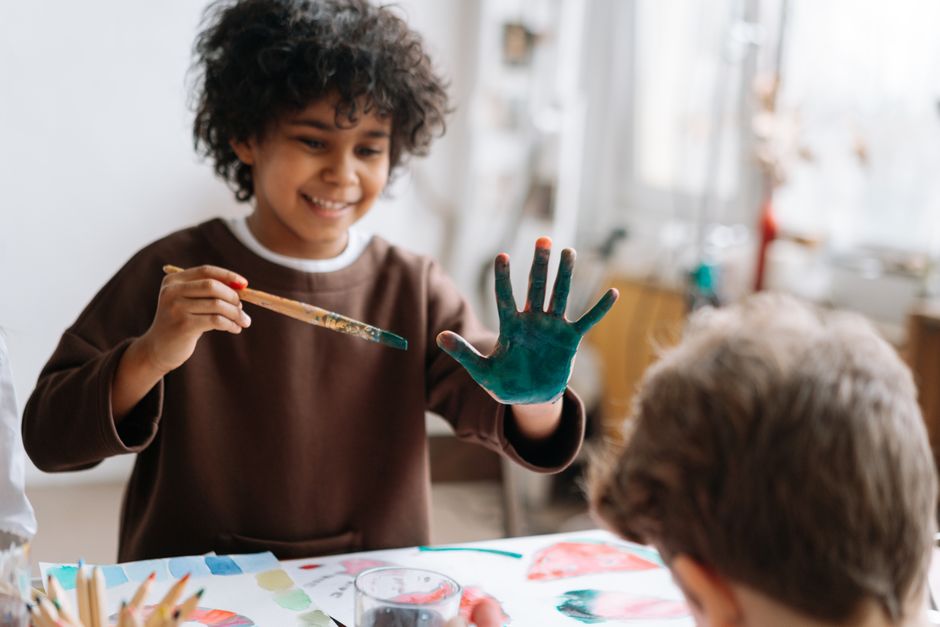
The Rise of Creativity in Education
It’s 2026, and the landscape of education is shifting. From classrooms in New York City to rural schools in Wyoming, educators are embracing the arts like never before. This isn’t just about drawing or painting—it’s about nurturing a creative mindset that will serve children for a lifetime.
Why Creativity Matters More Than Ever
In a world driven by rapid technological advancements, the ability to think creatively is increasingly valuable. Creativity isn’t just about making things; it’s about problem-solving, thinking outside the box, and adaptability. According to a 2025 study by the World Economic Forum, creativity has climbed to the top of the list of essential skills for the future workforce.
Implementing Art in the Curriculum
Schools across the United States are taking bold steps to integrate art into their core curriculums. This isn’t just limited to art classes; math teachers are using art to explain geometry, while history classes explore historical events through theatrical performances. The integration of art in education fosters an interdisciplinary approach that enhances learning outcomes.
Real-World Success Stories
Take, for example, the Creative Arts Charter School in San Francisco. They’ve seen remarkable improvements in student engagement and achievement since implementing a project-based learning model centered around the arts. Students here aren’t just studying art—they’re using it to solve real-world problems, from designing sustainable architecture models to creating public health campaigns.
How Parents Can Encourage Creativity at Home
- Dedicated Art Space: Create a small corner with supplies for drawing, painting, and sculpting. Keep it simple—sometimes a table with paper and crayons is all it takes.
- Storytelling Sessions: Encourage your children to tell stories. This can be a bedtime ritual or a spontaneous activity during the day. It helps in developing narrative skills and imagination.
- Music Exploration: Introduce them to various musical instruments, even if it’s just a harmonica or a small keyboard. Let them explore sounds and rhythms.
- Artistic Outings: Visit local art galleries, museums, or community events that celebrate art. This not only inspires but also educates children about different art forms and the artists behind them.
The Future of Arts in Education
As we look towards 2027 and beyond, the integration of arts in education is set to grow. Government policies are increasingly supporting artistic endeavors, recognizing their importance in holistic development. Grants and funding are becoming available for schools willing to innovate and embrace this artistic renaissance.
Practical Takeaway
Encouraging creativity doesn’t require costly tools or extensive training. It requires an open mind and the willingness to embrace the arts as a vital element of education and personal growth. Whether at school or at home, fostering creativity today will shape the innovative thinkers of tomorrow.