Why 2026 is the Year to Rethink Early Education
The world of early education is on the brink of transformation. As we step into 2026, the conversation is centered around fresh perspectives and innovative approaches to nurturing our youngest minds. With technology rapidly evolving and societal norms shifting, the traditional methods of teaching are being questioned more than ever before. Let’s delve into why this year is pivotal for reimagining early childhood education.
Technological Integration: Beyond Tablets and Screens
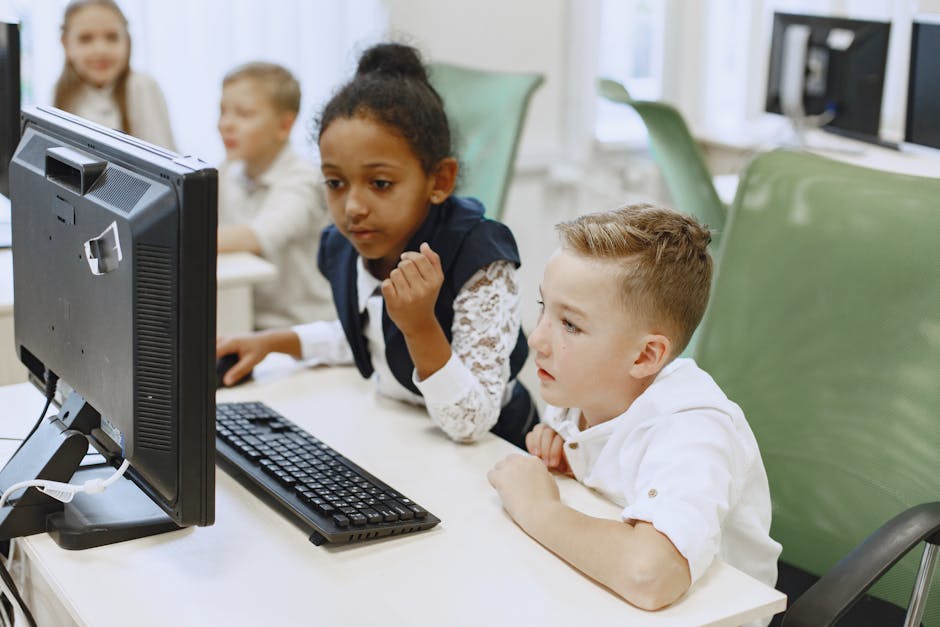
Technology in classrooms is not a new concept, but the way it’s being integrated has drastically changed. We’re no longer just handing children tablets and expecting them to learn. Instead, educators in cities like San Francisco and Tokyo are implementing immersive technologies such as augmented reality (AR) and virtual reality (VR) to create engaging learning environments. These tools allow children to explore the depths of the ocean or the expanses of space, all within the safety of their classroom.
For instance, a kindergarten in Helsinki introduced an AR-based curriculum where children learn about animals by seeing life-size 3D models in their classroom. This not only enhances their understanding but also keeps them curious and excited about learning. Technology, when used thoughtfully, can provide children with experiences that were unimaginable just a few years ago.
Emotional and Mental Well-being: The New Curriculum Priority
Understanding that education is not just about academics, schools are increasingly focusing on emotional intelligence and mental health. In 2026, the importance of nurturing a child’s emotional well-being is taking center stage, with schools in New York and London leading the charge. Programs that teach mindfulness, empathy, and resilience are being incorporated into daily routines.
A study from the University of Oxford in 2024 highlighted that children who participate in emotional intelligence programs show a 20% improvement in social interactions and a 30% reduction in anxiety levels. With such compelling data, educators are making mental well-being a cornerstone of early education.
Personalized Learning: Tailoring Education to Individual Needs
Every child is unique, and so should be their learning journey. Schools are beginning to adopt personalized learning plans that cater to each child’s strengths and areas for improvement. In cities like Bangalore and Melbourne, adaptive learning software is being used to tailor educational experiences, ensuring no child is left behind.
Take Maria, a five-year-old in Madrid who struggled with traditional reading methods. Her school implemented a personalized digital library that adjusted the reading material to her interests and reading level. Within months, Maria’s reading skills improved, and she developed a newfound love for books. Personalized learning not only addresses educational gaps but also fosters a love for learning by making it relatable and enjoyable.
Outdoor Learning: Nature as the Classroom
While technology is pivotal, the importance of the natural world is being emphasized like never before. Outdoor learning is gaining traction, with schools in Stockholm and Vancouver transforming playgrounds into dynamic learning environments. Research from the University of British Columbia found that children who spend more time outdoors show enhanced creativity and problem-solving skills.
Consider the Forest School approach in Denmark, where children spend a significant portion of their day in forests, learning about ecology, sustainability, and teamwork. This hands-on experience is invaluable, teaching children life skills that a traditional classroom setting might not offer.
Parental Involvement: A Collaborative Approach
In 2026, education is not confined to the walls of a classroom. Parents are becoming active participants in their child’s education journey. Schools in places like Singapore and Toronto are fostering this collaboration through regular workshops and interactive sessions for parents.
By understanding the curriculum and teaching methodologies, parents can reinforce learning at home, creating a seamless educational experience. This collaborative approach ensures that children receive consistent support, whether at school or home, promoting a holistic development.
A Practical Takeaway for Parents and Educators
As we embrace the changes of 2026, it’s essential for parents and educators to keep an open mind. Engage with these new methods, explore the possibilities that technology offers, and remember the value of emotional and outdoor learning. By embracing these changes, we can provide our children with an early education that prepares them for a future we can only begin to imagine. The time to rethink and reshape early education is now, and the benefits will resonate for generations to come.