Why Eco-Conscious Parenting Matters
The urgency of climate change discussions is no longer confined to scientific circles or political debates. It’s a household conversation now, with children increasingly aware of the planet’s fragility. As parents, fostering eco-consciousness in our kids is not just about recycling; it’s about instilling values that will shape their future and the planet’s. In 2026, it’s more crucial than ever to raise children who are both aware of and proactive about environmental issues.
Start with Small Daily Habits
One of the simplest ways to raise environmentally aware children is by integrating sustainable habits into daily life. Start with the basics: recycling, reducing waste, and conserving water. Teach your child the importance of turning off lights when they leave a room or how reusing a water bottle can make a difference. Involve them in sorting recyclables, which can be turned into a fun, educational game that also develops their sorting skills.
Encourage Curiosity and Questions
Children are naturally curious, and nurturing this curiosity can lead to a deeper understanding and commitment to sustainability. Visit places like science museums, botanical gardens, or local farms. Encourage them to ask questions about how things grow, where products come from, and how energy is made and consumed. Take them to the new Solar Energy Park in Austin, Texas, where interactive exhibits show how solar panels convert sunlight into electricity, making learning both fun and tangible.
Get Hands-On with DIY Eco Projects
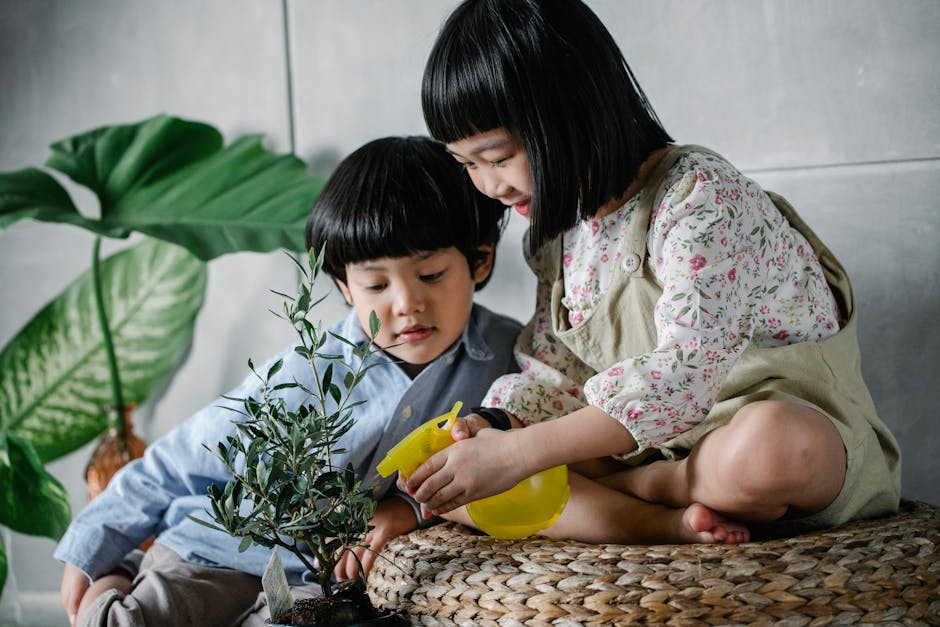
Making sustainability a hands-on experience ensures lessons are remembered. DIY projects such as creating a compost bin from an old container or planting a small garden can be both fun and educational. Teach them how food scraps can become rich soil or how planting a tree contributes to clean air. Consider organizing a neighborhood clean-up day—make it an event with friends, providing a sense of community and achievement.
The Power of Storytelling and Media
Stories are a powerful tool to impart values and lessons. Books, movies, and podcasts can effectively convey environmental messages in a child-friendly way. Titles like “The Lorax” by Dr. Seuss or “The Boy Who Harnessed the Wind” by William Kamkwamba can inspire and educate. In 2026, there are also interactive apps and digital platforms that gamify environmental learning, making it engaging. Encourage your kids to create their own stories about protecting the Earth, which can boost their creativity and understanding.
Lead by Example
Children learn best by observing. Your actions speak louder than words, so demonstrate sustainable living. Practice what you preach by using public transport, choosing eco-friendly products, and supporting local organic farms. Involve your children in grocery shopping; let them pick organic fruits and vegetables, teaching them about sustainable agriculture. Participate in community sustainability events together, fostering a shared family commitment to the environment.
Practical Takeaway: Raising eco-conscious kids in 2026 involves more than a few environmental lessons; it’s about embedding sustainability into your family’s way of life. By making small daily changes, fostering curiosity, engaging in hands-on projects, and leveraging the power of storytelling, you’re not just teaching your children to care for the planet—you’re empowering them to be part of the solution for a sustainable future.