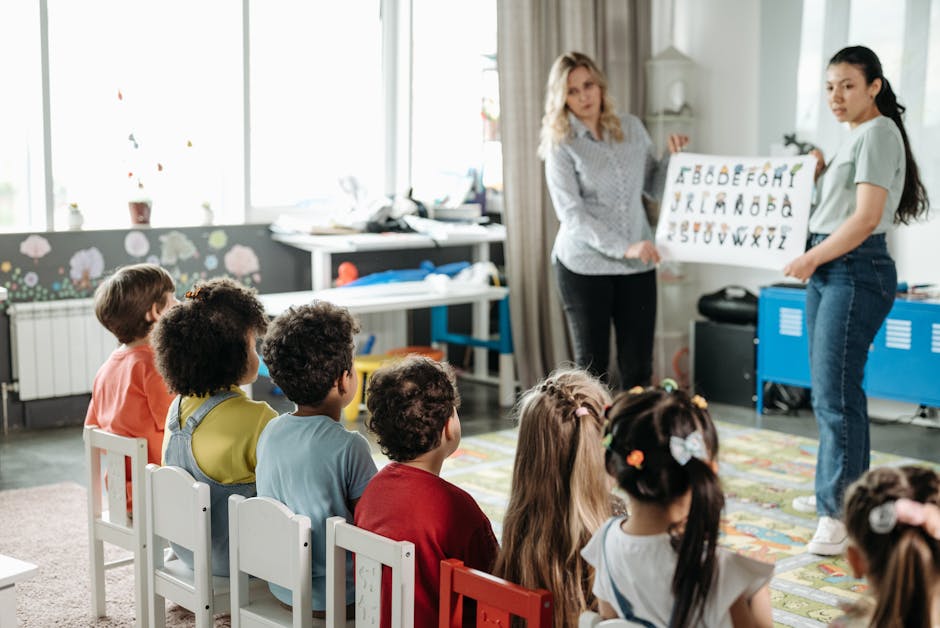
The Rise of Bilingualism: A Global Phenomenon
As we venture further into 2026, a distinct trend in parenting emerges: the deliberate cultivation of multilingualism in children. With globalization at its peak, parents worldwide are increasingly recognizing the profound benefits of raising children who can communicate fluently in more than one language. Whether it’s through traditional language classes, bilingual schools, or immersive experiences, the advantages are clear: cognitive flexibility, improved problem-solving skills, and a broadened cultural perspective.
Why Multilingualism is Gaining Momentum
Why are we witnessing this wave of enthusiasm for multilingualism? The world is more interconnected than ever. International travel has become more accessible, cultural exchanges are commonplace, and the internet serves as a global village connecting diverse cultures. Employers are increasingly seeking candidates with language skills, making multilingualism not just an asset, but a necessity.
Additionally, studies have shown that multilingual children tend to perform better academically. A 2025 report from Harvard University highlighted that children exposed to multiple languages from an early age demonstrated superior executive function — skills crucial for planning, decision-making, and multitasking.
Innovative Approaches to Language Acquisition
Parents today are spoiled for choice when it comes to teaching their children new languages. The advent of technology has introduced a plethora of engaging methods:
- Interactive Apps and Games: Platforms like “LingoLand” and “PolyPlay” incorporate gamification to make language learning enjoyable. Children can earn points, badges, and compete in global challenges that motivate daily practice.
- Virtual Language Exchanges: Websites such as “TalkGlobal” connect kids with peers from different countries for language exchange sessions. It’s a fantastic way to learn and make international friends.
These tools, combined with traditional methods such as books and storytelling, create a comprehensive language-learning environment that keeps children engaged and excited.
The Role of Community in Language Learning
Community plays a vital role in nurturing multilingualism. In cities like San Francisco and New York, cultural community centers offer language classes and host events celebrating global traditions. Families can participate in activities like cooking classes, dance workshops, and storytelling sessions that are conducted in different languages.
Moreover, many public libraries host “language story hours” where children can listen to stories in a variety of languages, fostering a sense of inclusivity and curiosity about the world. These community efforts not only support language acquisition but also encourage social interaction and cultural appreciation.
Overcoming Challenges in Raising Multilingual Children
Despite the benefits, raising multilingual children comes with its set of challenges. Consistency is key, and parents often struggle to maintain a regular schedule amidst busy lives. Moreover, children might feel overwhelmed if the process isn’t handled with care. Here’s how you can overcome these hurdles:
- Set realistic goals: Focus on fluency in one or two languages rather than overwhelming your child with too many at once.
- Create a supportive environment: Encourage your child by learning alongside them, which can also strengthen the parent-child bond.
- Regular practice: Integrate language learning into daily routines, like using the target language during meals or playtime.
Practical Takeaway
Incorporating multilingualism into your child’s upbringing is a rewarding journey, paving the way for future opportunities and a broader worldview. Start early, utilize the rich resources available, and remember to celebrate every small milestone. Raising a multilingual child in 2026 is more than a trend; it’s an investment in their future, ensuring they possess the skills necessary to thrive in an interconnected world.