The Call of the Wild: Why Nature Matters
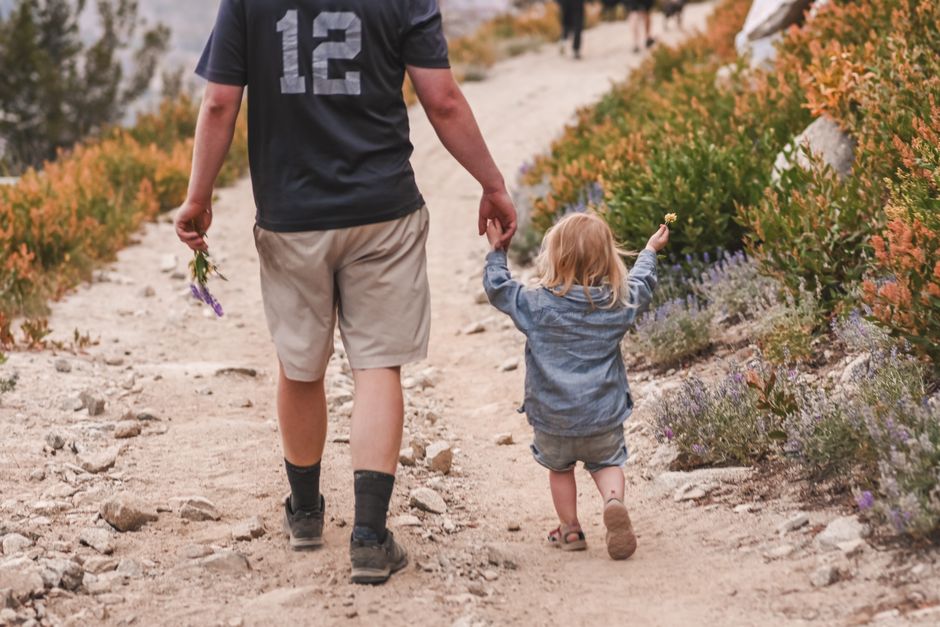
As our lives become increasingly digital and screen-centric, many parents are seeking solace in nature. Not just for themselves, but for their children, too. In 2026, the benefits of reconnecting with nature are more apparent than ever, from boosting mental health to fostering creativity and resilience. The great outdoors has never been more inviting, and it’s time to answer the call of the wild with your kids.
Building Curiosity: The Natural Playground
Nature is the ultimate playground, offering endless opportunities for exploration and discovery. Whether it’s a local park, a nearby forest, or a beach, there are countless ways to engage your child’s innate curiosity. Encourage them to touch, smell, and even taste (safely, of course) the natural world around them. Consider organizing scavenger hunts with items like pinecones, acorns, or feathers to encourage them to look closely and see the beauty in the small things.
Nurturing Independence: Letting Them Lead
There’s a unique sense of independence that comes from navigating the outdoors. Allow your children to take the lead on trails or pick the spot for your family picnic. This freedom fosters confidence and decision-making skills. In 2026, the trend of allowing children to engage in ‘risky play’—such as climbing trees or balancing on logs—is gaining popularity among parents as a way to cultivate resilience and problem-solving abilities.
Connecting as a Family: Shared Experiences
One of the most profound benefits of spending time in nature is the opportunity to connect as a family. Whether you’re hiking the trails of Yosemite or exploring the tidal pools of Oregon’s coast, these shared experiences create lasting memories. Consider planning a camping trip where everyone has a role, from setting up the tent to gathering firewood. These moments foster teamwork and create a sense of belonging.
Learning from Nature: An Outdoor Classroom
From the life cycle of a butterfly to the anatomy of a leaf, nature offers endless learning opportunities. In 2026, many schools are integrating outdoor education into their curricula, but you don’t have to wait for the school year to start. Bring a magnifying glass on your next walk and investigate insects up close, or count the rings on a tree stump to learn its age. These experiences not only reinforce academic skills but also instill a lifelong love of learning.
Practical Takeaway: Making Nature a Routine
Turning nature outings into a regular family routine can be a game-changer. Start small, like a weekly walk in the park or a monthly camping trip. Equip your children with journals to record their observations and drawings, turning these excursions into a cherished tradition. Ultimately, the goal is to nurture a love for the natural world that they carry into adulthood. After all, the habits we instill today shape the adults our children become.