The Growing Importance of Sensory Play
As we navigate the landscape of 2026, the concept of sensory play has emerged as a cornerstone in childhood development. Sensory play—activities that engage the senses of touch, smell, taste, sight, and sound—promotes cognitive growth, fine motor skills, and problem-solving abilities. With parents and educators increasingly recognizing its value, sensory play is no longer seen as just play but as a fundamental part of learning.
Why Sensory Play Matters More Than Ever
The digital age has brought many benefits, but it has also led to a decrease in physical and sensory experiences. Kids are often more engaged with screens than with hands-on activities, which can impact their sensory development. Sensory play bridges this gap by bringing children back to the basics of touch, feel, and exploration. Imagine a child in a sandbox, feeling the grains slip through their fingers, or playing with kinetic sand and watching it mold and move. These activities do more than entertain—they stimulate brain connections that are crucial for learning and growth.
Top Sensory Play Activities to Try in 2026
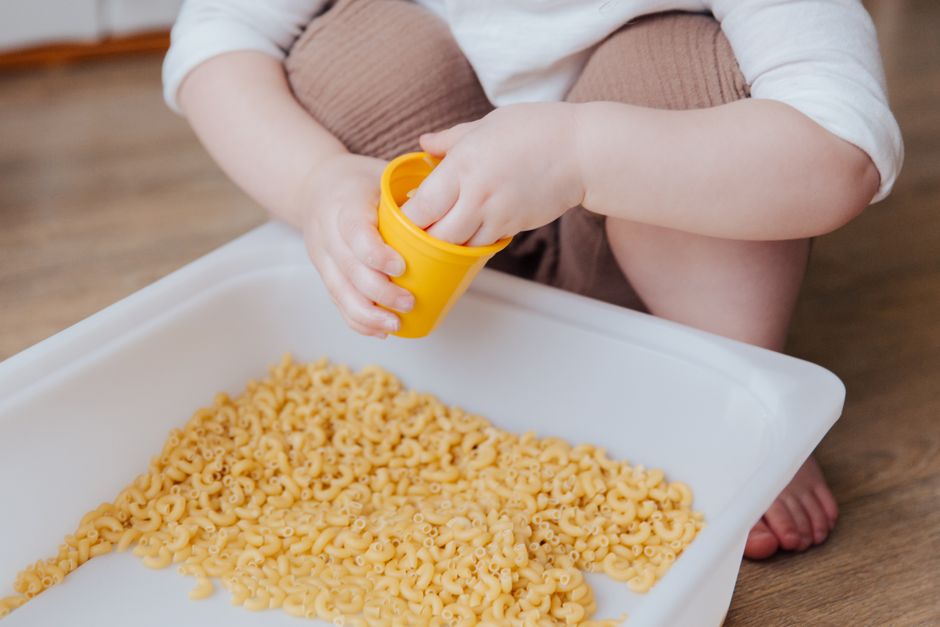
- DIY Sensory Bins: Create a themed sensory bin using items like rice, beans, or pasta. Add toys, spoons, and cups for a complete tactile experience. Crossover themes like ‘Farm Adventure’ or ‘Under the Sea’ can add educational layers.
- Nature Scavenger Hunts: Take kids outside to collect leaves, rocks, and flowers. Use these natural elements to create texture collages. This not only connects children with nature but also improves observational skills.
- Aromatic Play Dough: Mix homemade play dough with natural scents like lavender, lemon, or peppermint. The combination of smell with tactile play engages multiple senses, offering a calming experience.
- Sound Bottles: Fill clear bottles with different materials such as beads, rice, or water. Seal them securely and let children shake them to discover various sounds. It’s a fun way to introduce the basics of acoustics.
Creating a Sensory-Friendly Environment at Home
Adapting your home environment to encourage sensory play doesn’t require a lot of space or expensive materials. Designate a specific corner for sensory activities. Use items you already have—like cereal for pouring or water for splashing. Even mealtime can become a sensory experience when you let kids explore the textures and colors of their food. Remember, the key is variety. Rotating activities keeps the experience fresh and engaging.
Collaborating with Schools and Communities
More schools in 2026 are integrating sensory play into their curriculums, understanding its role in holistic education. Parents can collaborate with educators to align home and school activities, ensuring consistent sensory engagement. Community centers, too, are hosting workshops that provide shared sensory experiences, allowing children to socialize and learn collectively.
The Takeaway for Parents in 2026
While technology continues to shape the way children learn, the tactile experiences offered by sensory play remain irreplaceable. By incorporating sensory play into daily routines, parents can foster environments that not only entertain but also educate and enrich. Start with simple activities and gradually introduce more complexity as your child grows. The world of sensory play is expansive and inviting, promising a rich landscape of learning opportunities.